FeedsFlare
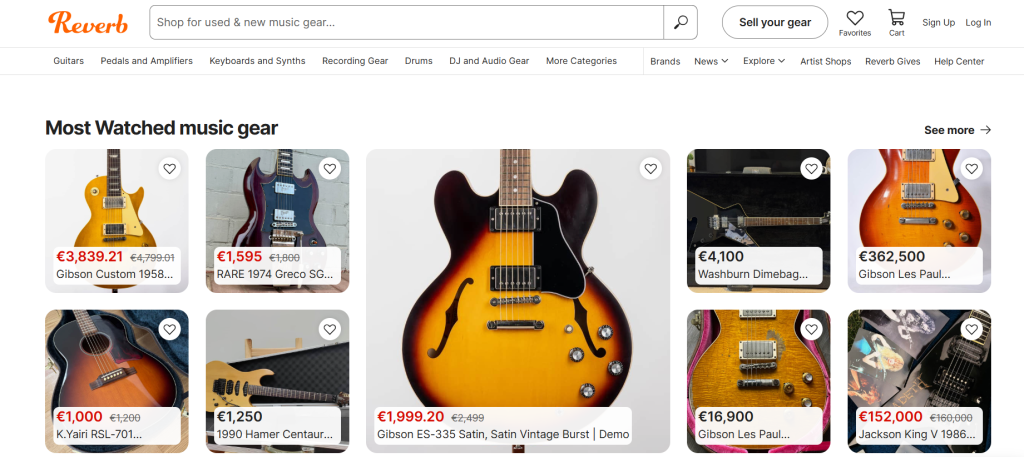
Reverb has introduced a series of platform-wide enhancements aimed at improving the experience for both buyers and sellers operating within its global musical instruments marketplace. The latest updates focus on strengthening listing efficiency, refining product discovery, and expanding support tools that assist independent sellers in managing inventory and customer interactions. These changes come as Reverb continues to evolve its digital infrastructure to support a growing international user base engaged in buying and selling new, used, and vintage music gear. The platform has placed increased emphasis on improving operational clarity within its ecosystem, particularly for sellers who manage multiple listings across different instrument categories. Alongside backend improvements, Reverb has also been refining user-facing interfaces to simplify navigation and reduce friction in the purchasing journey.
Reverb strengthens seller dashboard tools for listing management
Reverb has rolled out updates to its seller dashboard, introducing more structured tools for listing creation, inventory tracking, and order handling. The improved system allows sellers to manage multiple product entries with enhanced categorization features that help organize instruments, accessories, and audio equipment more efficiently. Adjustments to the listing interface aim to reduce repetitive input tasks while providing clearer visibility into active, sold, and pending items. Sellers on Reverb can now access more detailed performance indicators related to listing engagement, including view trends and inquiry activity, which are integrated into a simplified analytics panel. The platform has also refined its editing workflow to allow quicker updates to pricing, descriptions, and media assets without requiring full relisting. These changes are aligned with broader marketplace efficiency goals, ensuring that independent music retailers and individual sellers can maintain accurate, up-to-date listings while managing their business operations within a centralized digital environment.
Reverb improves search relevance and discovery experience
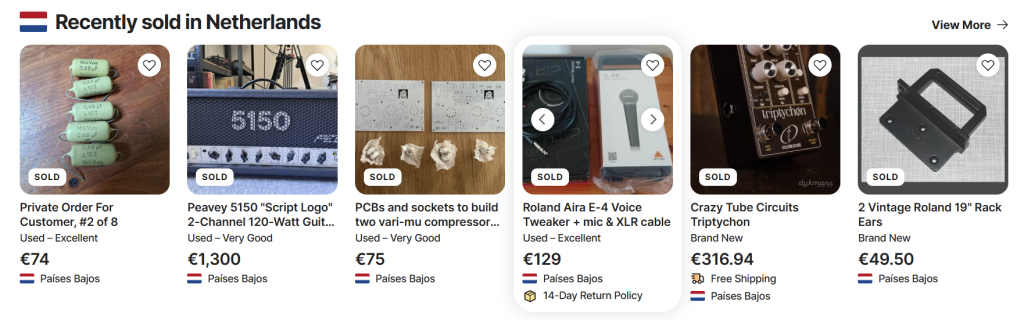
Reverb has introduced refinements to its search and discovery systems to enhance how users find musical instruments and gear across the platform. The updates focus on improving relevance in search results by incorporating more structured filtering options and better categorization of product listings. Users browsing Reverb can now navigate refined sorting mechanisms that prioritize attributes such as instrument type, condition, price range, and brand association. The platform has also optimized its recommendation logic to surface listings that align more closely with user browsing patterns and previous search behavior. These adjustments aim to reduce search time while increasing the likelihood of matching buyers with suitable products from a wide-ranging global inventory. In addition, Reverb has been working on improving metadata consistency across listings, which helps the system interpret product details more accurately.
Reverb enhances global shipping and logistics support
Reverb has expanded its logistics framework to support more efficient global shipping operations, focusing on improving coordination between sellers, buyers, and delivery partners. The updates include clearer shipping label generation tools, enhanced tracking visibility, and expanded international shipping options for select regions. Sellers using Reverb now have access to more structured shipping guidance that helps standardize packaging practices and estimated delivery timelines. The platform has also been working on reducing inconsistencies in cross-border transactions by improving customs-related documentation support and integrating more transparent cost breakdowns during checkout. These logistics enhancements are designed to simplify the movement of musical instruments across regions, particularly for high-value or fragile equipment that requires careful handling. Reverb’s updated system aims to minimize delays and improve reliability by providing users with more predictable shipping workflows.
Reverb expands community engagement initiatives

Reverb has continued to develop initiatives aimed at strengthening engagement within its musician and creator community. The platform has introduced updated content features that allow users to share gear-related insights, setup configurations, and usage experiences in a structured format alongside product listings. These additions are designed to encourage interaction between musicians while supporting informed purchasing decisions through community-generated context. Reverb has also been refining its editorial content distribution, featuring educational materials, instrument guides, and gear-related updates that highlight trends in music production and performance equipment. Community-driven engagement tools now include improved commenting systems and enhanced visibility for user contributions across relevant product pages. These updates are part of Reverb’s broader effort to position itself not only as a marketplace but also as a knowledge-sharing environment for musicians of varying skill levels.
Reverb updates mobile application experience for users
Reverb has introduced updates to its mobile application aimed at improving usability for buyers and sellers accessing the platform on handheld devices. The enhancements include streamlined navigation menus, faster load times, and improved listing creation workflows optimized for smaller screens. Users can now manage their marketplace activity more efficiently through a redesigned interface that reduces the number of steps required to complete key actions such as posting listings or responding to inquiries. The mobile update also includes refined image handling capabilities, allowing clearer uploads and better presentation of instrument details. Reverb has focused on ensuring feature parity between desktop and mobile experiences while maintaining performance stability across different operating systems. Notifications and communication tools within the app have been reorganized to provide more immediate access to messages, order updates, and buyer-seller interactions.
Reverb expands payment systems and transaction options
Reverb has enhanced its payment infrastructure to provide more flexibility and reliability in transaction processing across its marketplace. The updated system supports a wider range of payment methods and introduces improvements in payout scheduling for sellers. These changes are designed to streamline financial interactions between buyers and sellers, reducing delays and improving transparency in transaction timelines. Reverb has also worked on strengthening payment security protocols to ensure safer processing of high-value instrument sales. The platform’s revised payment structure integrates more detailed transaction summaries, allowing users to better understand fees, shipping costs, and final payout distributions. In addition, Reverb has optimized currency handling for international transactions, helping to reduce conversion inconsistencies for cross-border sales.
Reverb continues marketplace expansion and category development
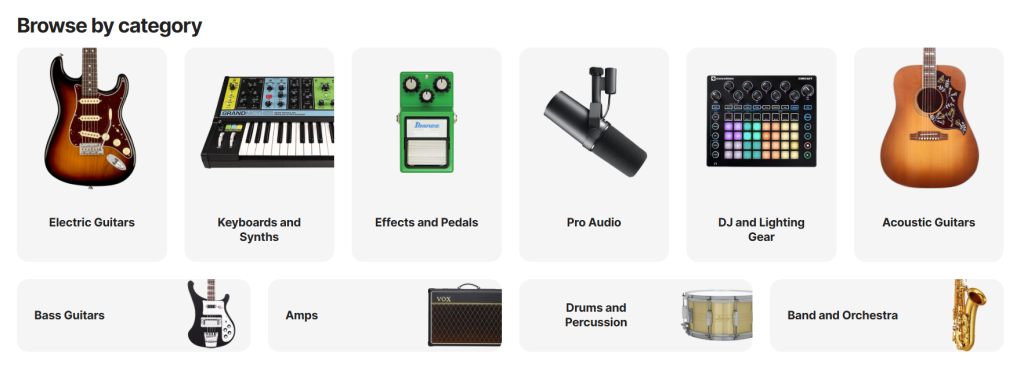
Reverb has continued to broaden its marketplace scope by supporting additional instrument categories and related audio equipment segments. The platform has been refining its category structure to better accommodate evolving demand patterns across both professional and hobbyist music production markets. This includes improved classification systems that help distinguish between vintage instruments, modern production gear, and specialized audio accessories. Reverb’s expansion efforts are focused on ensuring that new categories are integrated into the platform with consistent listing standards and search compatibility. The company has also been working on strengthening relationships with independent sellers and music retailers to diversify product availability across regions. These developments aim to support a more comprehensive marketplace ecosystem where users can access a wide range of musical equipment types within a unified platform.