FeedsFlare


Fora Reserve is the curated supplier program inside Fora, the New York–based travel advisory platform founded in 2021 by Henley Vazquez, Jake Peters, and Evan Frank. Fora does not operate as a consumer booking website. It presents itself as a modern host agency that gives independent travel advisors the technology, training, and supplier access to plan and book trips for clients and earn commission. Fora Reserve sits at the center of that model. It is a global network of preferred travel partners across hotels, cruises, tours, insurance, and luxury experiences, designed to unlock stronger commission rates and added client perks than standard arrangements usually provide. Fora’s public materials cite more than 15,000 active advisors and roughly 2.5 billion dollars in bookings, a volume that gives Fora Reserve real weight in supplier negotiations.
Fora Reserve Explained: What the Preferred Partner Network Covers
According to Fora, Fora Reserve connects advisors with a curated group of preferred partners, a figure the company puts at more than 8,000 across its materials. Fora lists typical commission ranges by category. Hotels and resorts fall between 10 and 20 percent, cruises between 10 and 18 percent, and tours and activities between 10 and 20 percent. Car rentals sit lower, at 5 to 10 percent, while travel insurance and luxury experiences reach 15 to 30 percent. Across most categories, the company describes a general range of 10 to 30 percent of net booking value. The hotel catalogue is a major draw, with Fora citing between 170,000 and 180,000 commissionable properties worldwide, including large brands such as IHG, Hyatt, Belmond, and Rosewood alongside boutique stays. Fora also publishes partner pages that describe each supplier, which gives advisors and travelers a quick reference.
Fora Advisor Portal: The Tools That Support Fora Reserve
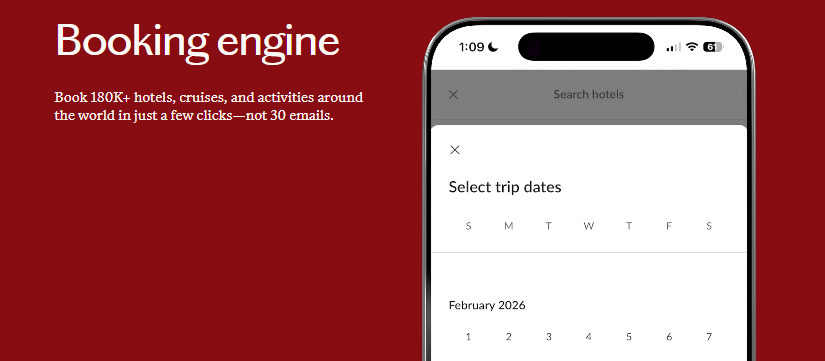
Fora Reserve is delivered through the Fora Advisor Portal, which the company describes as a command center for running a travel business. The booking engine lets advisors reserve hotels, cruises, and activities in a few clicks rather than through long email exchanges with suppliers. An itinerary builder helps turn research into client-ready plans, and automated payment handling means invoicing and commission tracking happen inside the platform. Earned commissions are paid by direct deposit to the advisor’s bank account. Fora has also introduced Sidekick, an AI travel assistant that answers destination questions and speeds up research. Beyond software, advisors receive an @fora.travel email address, a personal profile page that works like a small website, designer-made email and social templates, and live and on-demand training. A global community of advisors adds peer support.
Fora Membership Costs and the Commission Split
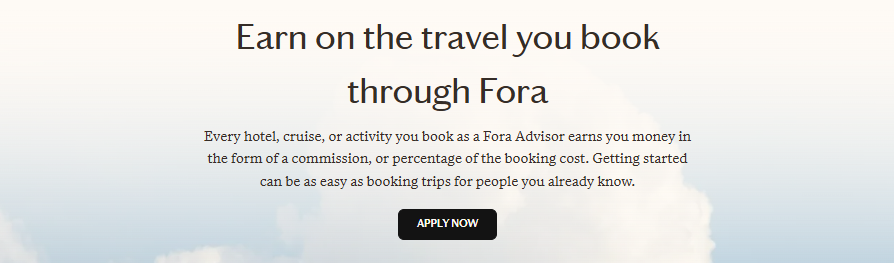
Access to Fora Reserve requires a Fora membership, which starts at a 70/30 commission split in the advisor’s favor. After an advisor books more than 300,000 US dollars in commissionable travel within a calendar year, the split moves to 80/20, and that status must be re-qualified annually. Fora’s India-facing page lists an annual plan at 299 dollars per year, billed every 12 months, while other pages mention quarterly and monthly options and describe the annual plan as the best value, with savings of about 25 percent. A 14-day money-back guarantee is advertised, and advisors can join as a 1099 independent contractor or through an LLC. Established advisors who book 100,000 dollars or more annually can qualify as Pro, which opens additional resources, and Pro and Fora X advisors are eligible for travel advisor rates and discounts.
Fora Reserve for Different Types of Advisors
The audience for Fora Reserve is broader than traditional agency recruiting, which has historically favored people with prior industry experience. Fora accepts newcomers and seasoned professionals alike, and encourages new members to complete an Essentials training program covering the platform, industry basics, and booking practices. For experienced advisors, the appeal lies mostly in the commission structure and the ability to consolidate supplier relationships in one portal. Content creators are also a stated target, though Fora draws a clear line between its model and an affiliate program. Advisors are expected to plan and book travel for clients, not simply earn commission on shared links, and the membership policies expect bookings beyond the advisor’s own trips. The program also has regional reach. Fora reports more than 250 advisors in India, which suggests the Fora Reserve model is being adapted for markets beyond the United States, where many suppliers and booking habits differ.
Fora Reserve and the Client Perspective
Travelers rarely interact with Fora Reserve directly, yet the program shapes what an advisor can offer them. Fora states that its preferred partner relationships translate into better perks for clients, although the specific benefits vary by supplier and property and are not uniform across the network. The more consistent value is the advisory relationship itself. Fora argues that clients choose an advisor for two reasons: the quality of the planning process and the experience of the trip. Because the advisor books directly with suppliers, there is a human point of contact if plans change, which online booking sites often cannot match. Advisors earn mainly through supplier commission, and some also charge concierge or planning fees on selected bookings. Clients therefore may or may not see a separate fee, depending on the advisor’s own business model.
Fora Reserve Compared With Traditional Host Agencies
Fora frames its offering against older host agencies that charge thousands of dollars in up-front costs. In contrast, Fora bundles technology, training, marketing assets, and supplier access into a single membership fee, with no sales quotas. That structure lowers the barrier to entry and makes experimentation less risky, particularly with the money-back window. The trade-off is the commission split, since Fora retains 30 percent of what suppliers pay at the entry level, and the membership fee applies whether or not an advisor books anything. Established agencies and consortia may offer different supplier agreements, in-person events, or niche luxury relationships that suit some advisors better. Fora’s own claim that top advisors earn more than 100,000 dollars per year describes the upper end of the community, not a typical result.
Fora Reserve in the Wider Travel Market
Fora has grown quickly since 2021, with public statements moving from more than 10,000 advisors to more than 15,000, and Fora Reserve is a key reason suppliers pay attention. Fora tells partners that its advisors bring high-intent travelers at a lower acquisition cost than many other sales channels, and that message appears directly on its partner-facing pages. Large hotel groups, cruise lines, and luxury operators benefit from a community of trained advisors who recommend them deliberately rather than by price comparison. For advisors, the program offers leverage they would struggle to negotiate individually. The outlook depends on whether Fora can keep supplier terms competitive as membership expands, and on how much value its AI tools, such as Sidekick, add to daily work. For anyone considering a flexible travel business, Fora Reserve is best judged by its commission categories, its portal, and the effort required to build a steady client base.