


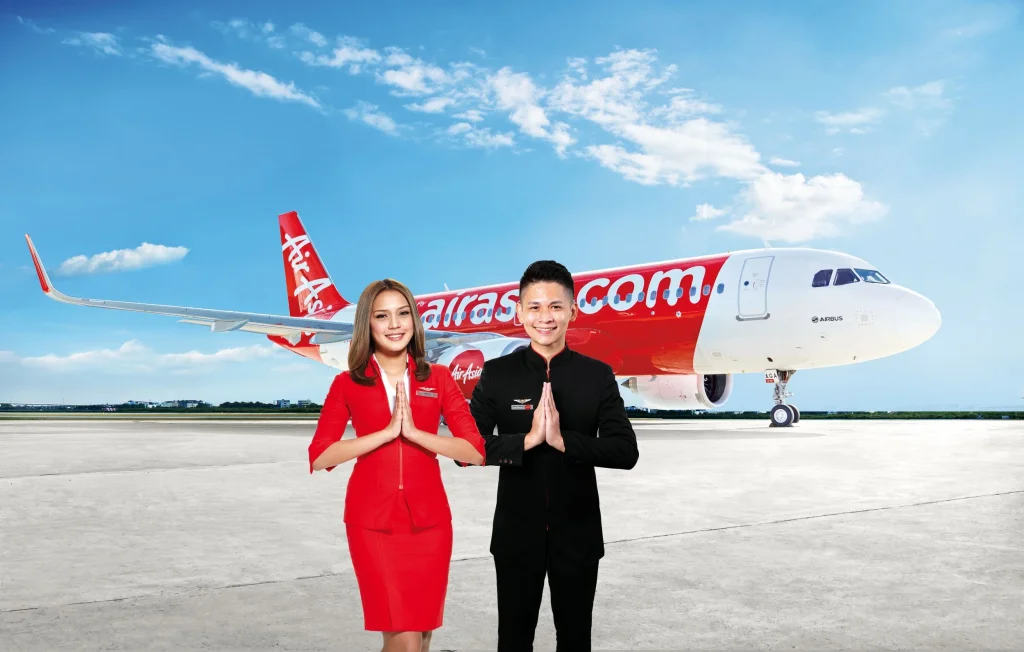

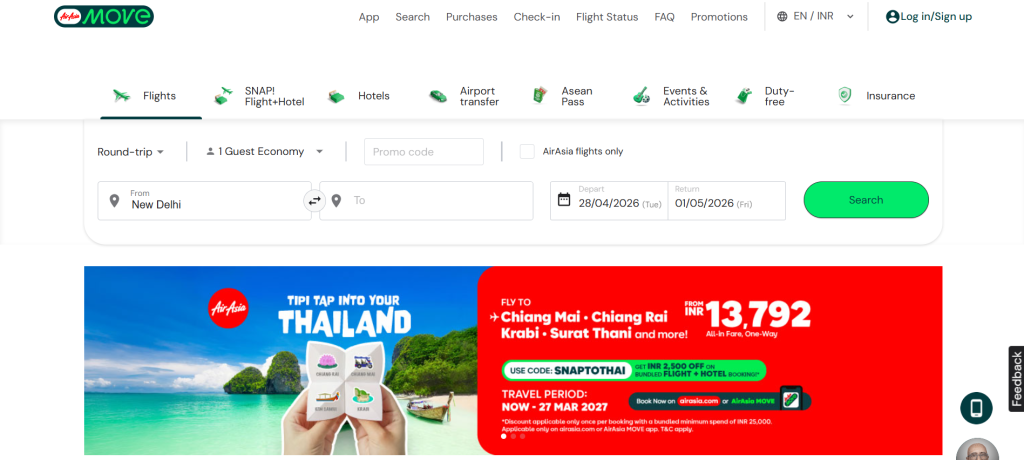
AirAsia has announced a significant expansion in its international network with the introduction of a new direct route connecting Melbourne, Australia, to Bali, Indonesia, scheduled to commence operations in March 2026. This development reflects AirAsia’s continued focus on strengthening connectivity between Southeast Asia and key global travel markets. The daily service will operate between Melbourne Airport and Ngurah Rai International Airport, enhancing accessibility for both leisure and business travelers. The route is designed to support growing demand for travel between Australia and Indonesia, particularly as Bali remains a major destination for international visitors. AirAsia has positioned this new service as part of its broader strategy to enhance travel options while maintaining competitive fare structures. The launch also aligns with AirAsia’s ongoing efforts to expand its footprint in Australia, where it already operates flights to multiple cities.
AirAsia Strengthens Australia-Indonesia Travel Corridor
AirAsia’s Melbourne to Bali route is expected to play a key role in strengthening the travel corridor between Australia and Indonesia, two regions with strong tourism and economic ties. The airline has identified Australia as a high-demand market, with Bali consistently attracting a large number of Australian visitors annually. By offering a direct connection, AirAsia enhances travel convenience while reducing transit times for passengers. The route also contributes to broader regional integration, supporting tourism growth and encouraging bilateral engagement across sectors such as education and business. According to industry data, Bali has experienced a steady increase in international arrivals, with Australian travelers representing a significant portion of inbound tourism. AirAsia’s decision to launch this service reflects its strategic approach to targeting high-traffic routes and reinforcing its role as a key facilitator of regional mobility.
AirAsia Expands Fly-Thru Network with Seamless Connections


In addition to point-to-point travel, AirAsia is leveraging its Fly-Thru service to enhance connectivity for passengers traveling beyond Bali. The Melbourne to Bali route will serve as a gateway to multiple destinations across Southeast Asia, including cities such as Bangkok, Singapore, and Kuala Lumpur. This integrated approach allows passengers to book connecting flights under a single itinerary without the need to collect baggage during transit. AirAsia has emphasized that the Fly-Thru system is designed to simplify travel logistics while improving efficiency for long-distance journeys. The expansion of Fly-Thru services aligns with AirAsia’s broader network strategy, which focuses on maximizing connectivity through its key hubs. By integrating the new route into its existing network, AirAsia aims to provide travelers with more flexible travel options and improved accessibility to a wide range of destinations across its operational footprint.
AirAsia Advances Regional Growth with New Route Additions
AirAsia’s Melbourne to Bali launch is part of a larger expansion plan that includes the introduction of multiple new routes across its network. The airline has outlined its intention to add over 30 routes as part of its recovery and growth strategy, focusing on high-demand markets within Asia and beyond. These expansions are supported by increased flight frequencies and network optimization initiatives aimed at improving operational efficiency. AirAsia has identified key growth regions including India, China, and Southeast Asia, where travel demand continues to rise. By expanding its route network, AirAsia seeks to strengthen its position as a leading low-cost carrier while catering to evolving travel patterns. The addition of new routes also supports tourism development and economic activity in connected regions.
AirAsia Enhances Fleet Capacity to Support Expansion Plans


To support its expanding route network, AirAsia has confirmed the delivery of new aircraft as part of its fleet growth strategy. The airline has secured multiple aircraft deliveries, including models from Airbus, to increase capacity and meet rising passenger demand. This fleet expansion is critical to maintaining operational efficiency while accommodating additional routes and increased flight frequencies. AirAsia has indicated that the new aircraft will be deployed across its network to optimize route performance and improve service reliability. The airline’s fleet strategy also includes plans for future acquisitions, with a focus on modern, fuel-efficient aircraft that align with sustainability goals. By expanding its fleet, AirAsia aims to enhance its ability to serve both existing and new markets effectively.
AirAsia Strengthens ASEAN Connectivity Through Strategic Routes
Beyond long-haul expansion, AirAsia continues to strengthen its presence within the ASEAN region by introducing new short-haul routes. One such example is the launch of a direct connection between Phuket and Penang, which enhances travel options within Southeast Asia. These regional routes are designed to support tourism and economic activity by linking key destinations with complementary strengths. AirAsia has highlighted the importance of intra-ASEAN connectivity in driving passenger growth and supporting regional integration. The airline’s network strategy prioritizes routes that offer strong demand potential while contributing to broader economic development. By expanding its ASEAN network, AirAsia reinforces its role as a major connector within the region, facilitating travel for both leisure and business purposes.
AirAsia Explores Digital Innovation with AirAsia World Platform

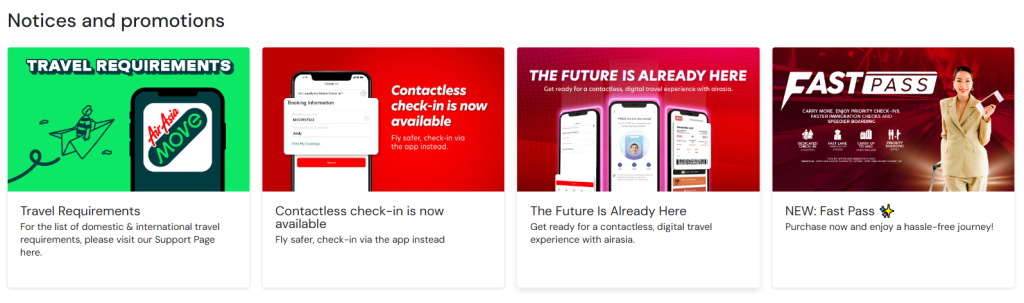
AirAsia has also expanded its presence beyond traditional aviation through digital innovation initiatives such as the launch of AirAsia World, a virtual platform developed within the Roblox ecosystem. This initiative represents AirAsia’s efforts to engage with a broader audience by combining travel with interactive digital experiences. The platform allows users to explore virtual representations of ASEAN destinations while participating in gamified activities and challenges. AirAsia has positioned this development as part of its broader digital transformation strategy, which includes enhancing customer engagement and exploring new revenue streams. By integrating digital experiences with its brand identity, AirAsia aims to create additional touchpoints for users and strengthen its presence in emerging digital spaces.
AirAsia Navigates Market Challenges While Maintaining Growth Strategy
AirAsia continues to navigate a dynamic aviation landscape marked by factors such as fluctuating fuel prices and evolving travel demand. Despite these challenges, the airline remains focused on executing its growth strategy, including route expansion and network optimization. Recent industry developments have highlighted the impact of rising operational costs, prompting adjustments in pricing and capacity management. AirAsia has responded by refining its operational approach to ensure sustainability while maintaining service availability. The airline’s leadership has emphasized the importance of adaptability in addressing external challenges while continuing to pursue expansion opportunities. Initiatives such as the introduction of new routes, fleet expansion, and digital innovation demonstrate AirAsia’s commitment to long-term growth.