




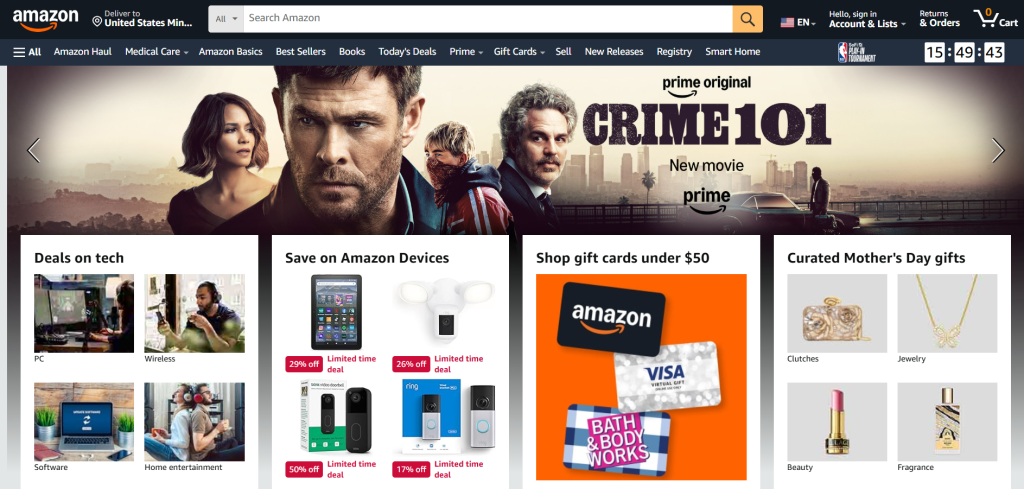
Amazon has introduced Rufus, an artificial intelligence-powered shopping assistant designed to enhance product discovery and improve user interaction across its e-commerce platform. The rollout marks a significant step in Amazon’s broader integration of generative AI technologies into its retail ecosystem. Rufus is embedded directly within the Amazon interface, allowing users to ask detailed product-related questions, compare items, and receive contextual recommendations based on their queries. The feature leverages Amazon’s extensive product catalog and customer data to generate relevant responses in real time. According to information shared on Amazon’s platform, Rufus is designed to assist customers at various stages of the shopping journey, from initial research to final purchase decisions. The launch aligns with Amazon’s ongoing investment in AI-driven solutions aimed at optimizing user experience and streamlining navigation across its marketplace.
Amazon Deploys Rufus AI Across Mobile Shopping Interface
Amazon has begun deploying Rufus AI within its mobile shopping application, making the assistant accessible to a broad segment of its global user base. The feature is integrated into the app’s search and product pages, allowing customers to interact with the assistant while browsing listings. Users can input natural language queries, such as asking for product comparisons or recommendations tailored to specific needs, and Rufus generates responses based on available data. The deployment initially focuses on select markets, with plans for gradual expansion as the system undergoes further testing and refinement. Amazon’s integration of Rufus into the mobile interface reflects the increasing importance of mobile commerce, where ease of navigation and quick access to information are critical factors. The feature is designed to reduce the time required for users to find relevant products, particularly within Amazon’s extensive inventory.
Amazon Enhances Product Search with Conversational AI


Amazon’s introduction of Rufus represents a shift toward conversational AI in product search, enabling users to interact with the platform in a more intuitive manner. Instead of relying solely on keyword-based searches, customers can now ask detailed questions and receive structured responses that incorporate multiple product attributes. Rufus is designed to interpret user intent and provide answers that include product features, usage scenarios, and comparisons between similar items. This approach aims to address common challenges associated with navigating large product catalogs, where traditional search methods may require multiple queries to achieve desired results. Amazon’s adoption of conversational AI aligns with broader technological trends in digital commerce, where natural language processing is increasingly used to improve user engagement.
Amazon Integrates Rufus with Product Detail Pages
Amazon has integrated Rufus directly into product detail pages, allowing users to access contextual information without leaving the page. The assistant can provide summaries of product features, answer specific questions, and highlight key differences between similar items. This integration is intended to enhance the informational value of product pages, which traditionally rely on descriptions, images, and customer reviews. Rufus adds an interactive layer that enables users to explore additional details in a conversational format. The feature is particularly useful for complex product categories, where customers may require clarification on specifications or compatibility. Amazon’s decision to embed Rufus within product pages reflects its focus on improving the depth and accessibility of product information.
Amazon Expands AI Investment Across Retail Ecosystem

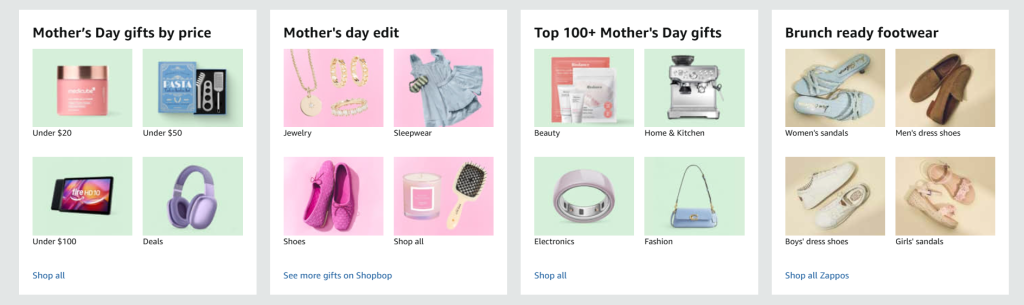
The launch of Rufus is part of Amazon’s broader investment in artificial intelligence across its retail ecosystem. The company has been actively integrating AI technologies into various aspects of its operations, including logistics, inventory management, and customer service. Rufus represents a customer-facing application of these technologies, highlighting Amazon’s focus on enhancing the shopping experience through innovation. The development of AI-driven tools is supported by Amazon’s cloud computing division, which provides the infrastructure اللازمة for processing large volumes of data and generating real-time responses. This integration allows Amazon to leverage its existing technological capabilities to support new features like Rufus. The expansion of AI initiatives reflects the company’s ongoing efforts to maintain competitiveness in the rapidly evolving e-commerce landscape, where technological differentiation plays a critical role in attracting and retaining customers.
Amazon Aligns Rufus Launch with E-Commerce Innovation Trends
Amazon’s introduction of Rufus aligns with broader trends in e-commerce innovation, particularly the adoption of AI-driven personalization and automation tools. Retail platforms are increasingly incorporating technologies that enable more dynamic and responsive user interactions, moving beyond static interfaces. Rufus exemplifies this shift by providing a conversational layer that adapts to individual user queries and preferences. The feature also supports personalized recommendations, drawing on user behavior and historical data to suggest relevant products. Amazon’s approach reflects a wider industry movement toward integrating AI into customer-facing applications, where the goal is to enhance engagement and streamline the shopping process. By launching Rufus, Amazon positions itself within this trend, leveraging its scale and technological resources to implement advanced solutions.
Amazon Strengthens Customer Engagement Through AI Tools


Amazon’s deployment of Rufus is expected to play a role in strengthening customer engagement by providing interactive and responsive support throughout the shopping journey. The assistant enables users to explore products in a more conversational manner, which can increase time spent on the platform and improve overall satisfaction. By addressing user queries in real time, Rufus reduces the need for external research and keeps customers within the Amazon ecosystem. The feature also has the potential to support cross-selling and upselling by recommending complementary products based on user interactions. Amazon’s focus on engagement reflects its broader strategy of creating a seamless and integrated shopping experience.
Amazon Plans Gradual Expansion of Rufus AI Capabilities
Amazon has indicated plans for the gradual expansion of Rufus AI capabilities, including broader market availability and additional feature enhancements. The company is expected to refine the assistant based on user feedback and performance data, ensuring that it continues to meet evolving customer needs. Future updates may include expanded language support, deeper integration with other Amazon services, and enhanced personalization features. The phased rollout approach allows Amazon to monitor the system’s effectiveness and make adjustments as necessary. This strategy reflects a cautious and data-driven approach to implementing new technologies within a large-scale platform. As Rufus evolves, it is likely to become a more integral part of Amazon’s shopping experience, supporting a wide range of user interactions.