FeedsFlare
AT&T Mobile has announced an expansion of its 5G standalone (5G SA) network infrastructure across several major markets in the United States, marking a significant step in the company’s broader connectivity strategy. The rollout focuses on enhancing network performance by enabling a core architecture that operates independently of legacy LTE systems, allowing for lower latency and improved data speeds. According to updates shared through AT&T’s official communication channels, the 5G standalone deployment is being integrated into urban and suburban regions to support growing demand for high-speed mobile data and advanced digital services. This development aligns with AT&T Mobile’s long-term investment in next-generation network capabilities, including support for applications such as cloud gaming, real-time streaming, and connected devices. The initiative also reflects broader industry trends toward standalone 5G networks, which are expected to provide a foundation for emerging technologies and enterprise use cases.
AT&T Mobile Advances 5G Standalone Technology Deployment
AT&T Mobile has accelerated the deployment of its 5G standalone technology, transitioning from non-standalone configurations to a fully independent 5G core network. This advancement enables improved network efficiency by removing reliance on existing LTE infrastructure, allowing for more direct communication between devices and network nodes. The standalone architecture is designed to support enhanced features such as network slicing, which enables customized connectivity solutions for different use cases, including enterprise applications and consumer services. AT&T Mobile has indicated that this deployment will provide a more scalable and flexible network environment capable of accommodating increasing data traffic and device connectivity. The transition also supports future innovations in areas such as augmented reality, autonomous systems, and smart city infrastructure.
AT&T Mobile Strengthens Urban and Suburban Coverage Areas

AT&T Mobile’s network expansion strategy includes a targeted focus on strengthening coverage in both urban and suburban areas, where demand for reliable high-speed connectivity continues to grow. The company has outlined plans to enhance signal strength and network capacity in densely populated regions while extending coverage to underserved suburban communities. This approach involves the deployment of additional cell sites and the optimization of existing infrastructure to ensure consistent service quality. AT&T Mobile’s efforts are aimed at addressing connectivity gaps and supporting a wide range of user needs, from everyday mobile usage to data-intensive applications. The expansion also reflects the increasing importance of connectivity in remote work, digital education, and online entertainment.
AT&T Mobile Integrates Network Enhancements with Device Ecosystem
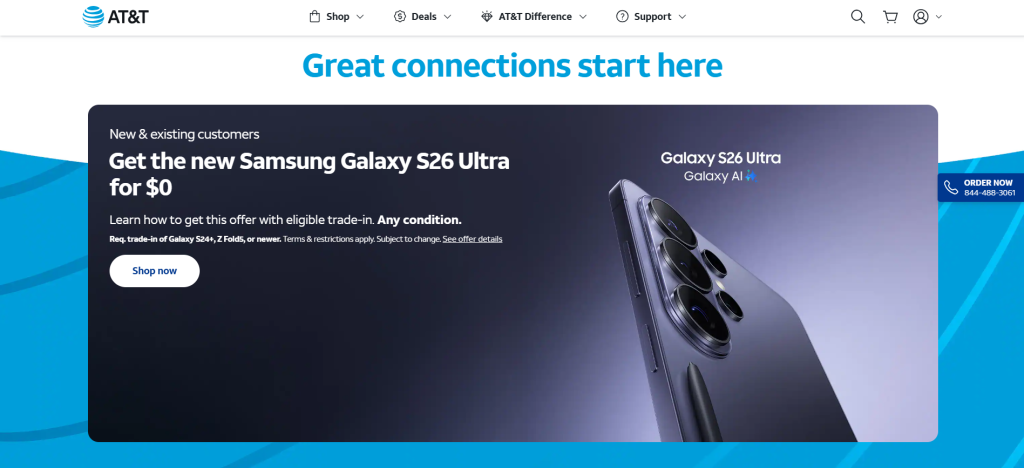
AT&T Mobile has aligned its network upgrades with advancements in the device ecosystem, ensuring compatibility between its 5G standalone infrastructure and a wide range of smartphones and connected devices. The company continues to collaborate with device manufacturers to support features that leverage the capabilities of next-generation networks, including enhanced processing speeds and improved connectivity performance. AT&T Mobile’s approach includes the certification of devices that meet specific network requirements, enabling users to access optimized performance across supported models. This integration supports the broader adoption of 5G technology by ensuring that consumers can fully utilize network improvements through compatible hardware. The company’s device strategy also includes the promotion of trade-in programs and installment plans, which facilitate access to newer devices.
AT&T Mobile Expands Enterprise and Business Connectivity Solutions

AT&T Mobile has expanded its focus on enterprise and business connectivity solutions as part of its broader 5G strategy, offering services designed to support digital transformation across industries. The company provides customized connectivity options that leverage 5G standalone capabilities, enabling businesses to implement advanced technologies such as Internet of Things (IoT) systems, edge computing, and real-time data analytics. AT&T Mobile’s enterprise offerings include network solutions tailored to sectors such as healthcare, manufacturing, and logistics, where reliable connectivity is critical for operational efficiency. The integration of network slicing allows businesses to allocate dedicated network resources for specific applications, enhancing performance and security. These developments reflect AT&T Mobile’s commitment to addressing the needs of business customers while expanding its role within the enterprise technology landscape.
AT&T Mobile Enhances Customer Plans and Service Options
AT&T Mobile has introduced updates to its customer plans and service options, incorporating features that align with the capabilities of its expanded 5G network. The company offers a range of subscription plans designed to accommodate different usage levels, including options with unlimited data, high-speed connectivity, and additional benefits such as streaming services and international coverage. These plan enhancements are structured to provide flexibility for both individual users and families, allowing customers to select services that match their specific needs. AT&T Mobile’s service updates also include improvements to customer support channels, with increased availability of digital tools and self-service options. The integration of network upgrades with plan offerings reflects a coordinated approach to delivering value through both infrastructure and service design.
AT&T Mobile Invests in Network Infrastructure and Spectrum Assets

AT&T Mobile continues to invest in network infrastructure and spectrum assets as part of its long-term strategy to support 5G expansion and future connectivity requirements. The company has allocated resources toward acquiring and optimizing spectrum bands that enable high-speed data transmission and improved network capacity. These investments are complemented by the deployment of advanced technologies such as small cells and fiber backhaul, which enhance network performance and reliability. AT&T Mobile’s infrastructure strategy also includes ongoing maintenance and upgrades to existing systems, ensuring compatibility with emerging technologies and standards. The focus on spectrum and infrastructure reflects the critical role these elements play in delivering consistent and scalable network services.
AT&T Mobile Aligns Expansion with Evolving Telecommunications Trends
AT&T Mobile’s recent developments are aligned with broader trends in the telecommunications industry, where the transition to standalone 5G networks and advanced connectivity solutions is gaining momentum. The company’s focus on network expansion, device integration, and enterprise services reflects a comprehensive approach to addressing changing consumer and business needs. As demand for high-speed data and connected technologies continues to increase, AT&T Mobile is adapting its strategy to support emerging use cases and digital ecosystems. The integration of advanced network features and service offerings positions the company within a competitive landscape characterized by rapid technological advancements. AT&T Mobile’s alignment with industry trends underscores its commitment to maintaining relevance in a dynamic market, where innovation and scalability are key drivers of growth.