




Autodesk has announced an expansion of its Autodesk Forma platform, introducing new artificial intelligence-powered capabilities aimed at improving early-stage design workflows across architecture, engineering, and construction sectors. The update reflects Autodesk’s continued focus on integrating predictive analytics and automation into cloud-based design environments. Autodesk Forma, which operates as part of the company’s broader industry cloud ecosystem, now includes enhanced tools for site analysis, environmental impact simulations, and data-driven design recommendations. According to Autodesk, these features are designed to support professionals in making informed decisions during the conceptual phases of projects, where design flexibility is critical. The platform leverages real-time data inputs and machine learning models to generate insights related to factors such as sunlight exposure, wind patterns, and energy efficiency.
Autodesk Expands Autodesk Forma AI Capabilities
Autodesk has expanded the artificial intelligence capabilities within Autodesk Forma, focusing on enhancing its analytical functions and predictive modeling features. The updated platform allows users to conduct simulations that evaluate multiple design scenarios simultaneously, providing comparative insights that can inform decision-making processes. Autodesk has integrated machine learning algorithms that process environmental and spatial data to generate recommendations tailored to specific project conditions. These capabilities are intended to reduce the time required for manual analysis while increasing the accuracy of early-stage design evaluations. Autodesk Forma’s AI-driven tools are also designed to adapt to user inputs, enabling iterative refinement of design concepts based on real-time feedback. The expansion reflects Autodesk’s ongoing investment in AI technologies as a core component of its software ecosystem.
Autodesk Integrates Forma with Industry Cloud Ecosystem

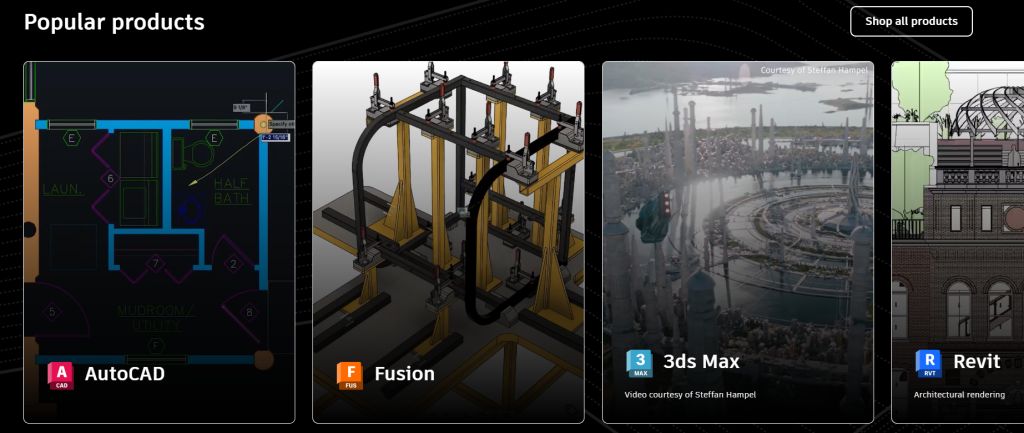
Autodesk has integrated Autodesk Forma more deeply into its industry cloud ecosystem, connecting the platform with other Autodesk solutions used across architecture, engineering, and construction workflows. This integration enables data continuity between different stages of project development, allowing information generated during conceptual design to be carried forward into detailed modeling and documentation processes. Autodesk’s cloud ecosystem is structured to support collaboration among multiple stakeholders, including architects, engineers, and project managers, by providing centralized access to project data. The integration of Autodesk Forma facilitates smoother transitions between tools such as building information modeling software and project management platforms. Autodesk has emphasized interoperability as a key aspect of this update, ensuring that data formats and workflows remain compatible across its product suite.
Autodesk Focuses on Sustainable Design Tools
Autodesk has incorporated sustainability-focused tools into Autodesk Forma, enabling users to assess environmental impacts during the early stages of design. These tools include simulations that analyze factors such as energy consumption, carbon emissions, and site-specific environmental conditions. Autodesk has positioned these features as part of its commitment to supporting sustainable development practices within the built environment. The platform allows designers to evaluate how different design choices influence environmental performance, providing data-driven insights that can guide more sustainable outcomes. Autodesk Forma’s sustainability tools are integrated into the design workflow, ensuring that environmental considerations are addressed alongside functional and aesthetic requirements. This development aligns with increasing regulatory and industry demands for environmentally responsible construction practices.
Autodesk Enhances User Collaboration Features

Autodesk has introduced enhancements to collaboration features within Autodesk Forma, enabling teams to work more effectively across distributed environments. The platform now supports real-time data sharing and collaborative editing, allowing multiple users to access and modify project information simultaneously. Autodesk has designed these features to facilitate communication between different stakeholders involved in design and planning processes. The collaboration tools include shared dashboards, comment systems, and version tracking capabilities, which help maintain transparency and accountability throughout project development. Autodesk Forma’s cloud-based architecture ensures that updates are synchronized across devices, reducing the risk of data inconsistencies. These enhancements reflect Autodesk’s focus on enabling collaborative workflows in an increasingly digital and remote working environment.
Autodesk Advances Data-Driven Decision Making
Autodesk has emphasized data-driven decision making as a central component of its Autodesk Forma expansion, providing users with tools that translate complex datasets into actionable insights. The platform integrates data from various sources, including geographic information systems, environmental databases, and user-generated inputs, to create a comprehensive analytical framework. Autodesk has designed these tools to present information through visualizations and dashboards that simplify interpretation and support informed decision making. The use of data analytics enables users to evaluate multiple design scenarios and identify optimal solutions based on predefined criteria. Autodesk Forma’s capabilities are intended to reduce uncertainty during the planning phase by providing evidence-based recommendations. This focus on data-driven processes reflects broader trends in digital transformation within the construction and design industries.
Autodesk Supports Global Architecture and Construction Projects


Autodesk continues to position Autodesk Forma as a solution for global architecture and construction projects, supporting diverse project requirements across different regions. The platform’s cloud-based infrastructure allows users to access tools and data from various locations, facilitating collaboration across international teams. Autodesk has designed Autodesk Forma to accommodate varying regulatory standards and environmental conditions, enabling its use in a wide range of project contexts. The platform’s scalability supports projects of different sizes, from small-scale developments to large urban planning initiatives. Autodesk’s global reach is reflected in its user base, which includes professionals from multiple industries and geographic regions. The expansion of Autodesk Forma’s capabilities is intended to address the complexities associated with modern construction projects, where coordination across disciplines and locations is essential.
Autodesk Continues Investment in Cloud-Based Innovation
Autodesk’s expansion of Autodesk Forma reflects its ongoing investment in cloud-based innovation, which remains a key focus of the company’s long-term strategy. The platform is part of Autodesk’s broader transition toward software-as-a-service models, where cloud infrastructure enables continuous updates and feature enhancements. Autodesk has emphasized the flexibility of cloud-based solutions, which allow users to access tools and data without reliance on local installations. This approach supports scalability and adaptability, enabling the platform to evolve in response to changing industry requirements. Autodesk’s investment in cloud technology also facilitates integration with emerging technologies such as artificial intelligence and advanced analytics.