FeedsFlare
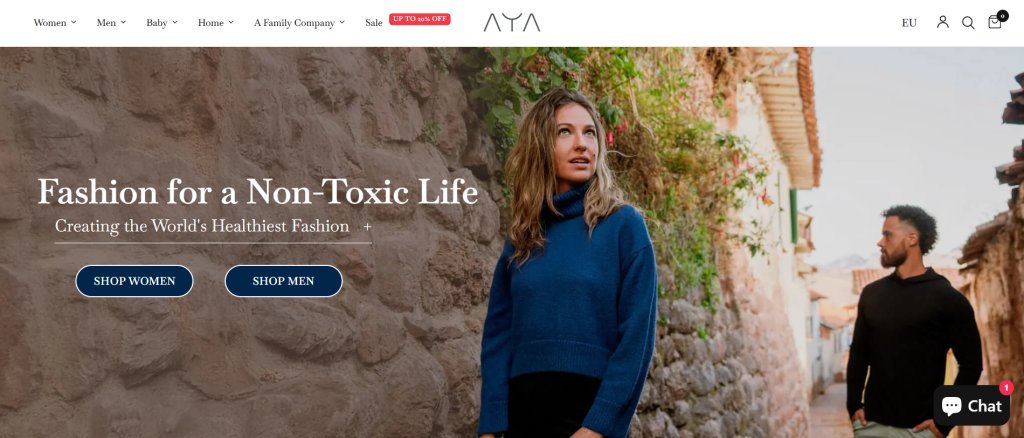
In a world where fast fashion has dominated retail for decades, AYA Sustainable Fashion is gaining renewed attention as an emerging player poised to redefine how consumers think about apparel. The brand, which markets itself through its primary platform at ecoaya.com, positions AYA as a leader in environmentally conscious clothing and lifestyle products that prioritize regenerative materials, chemical-free manufacturing practices, and a non-toxic future for fashion. Observers in the apparel industry are noting AYA’s claims of eliminating plastic and petrochemical use from its products, a bold statement in an industry traditionally reliant on synthetic fibers and mass production methods. This article examines the growth of AYA Sustainable Fashion from its online storefront to its wider impact on fashion discourse, exploring how the brand’s identity, environmental positioning, and market reach reflect emerging trends in sustainable consumerism.
AYA Brand Identity: Plastic-Free Philosophy Shapes Market Position
As reported from the content visible on the brand’s official site, AYA Sustainable Fashion is uniquely cultivating a brand identity rooted in a “plastic-free” ethos, claiming that its garments are designed without petrochemical-derived plastics and are free from microplastics that are typically associated with synthetic materials like polyester and nylon. By spotlighting the absence of petrochemical dyes, nylon, elastane, and other common synthetics, AYA has framed its value proposition around a radical commitment to materials that are inherently natural and non-toxic. According to the brand narrative, this philosophy is not merely a marketing term but a central pillar of AYA’s operational strategy, underscoring its efforts to reengineer conventional fashion supply chains and materials science. Industry analysts have observed that such a positioning, while challenging to scale, resonates with environmentally conscious consumers especially in Western markets where demand for sustainable alternatives is rising rapidly.
AYA Sustainable Fashion’s Materials Strategy and Natural Sourcing
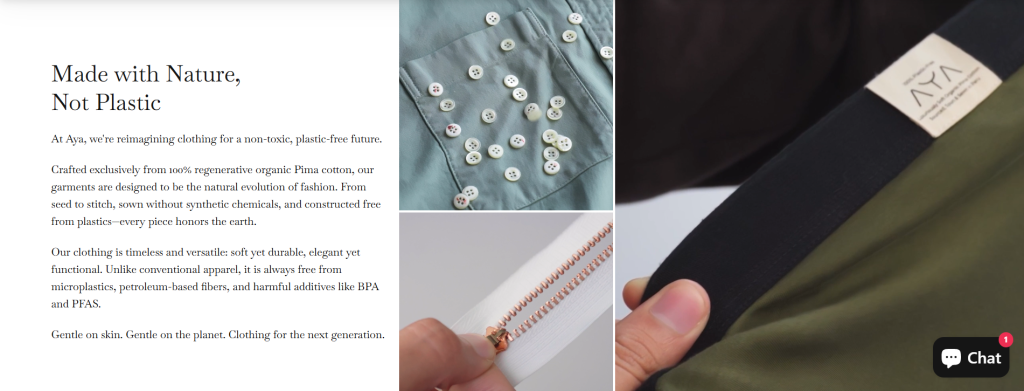
Central to AYA’s environmental strategy is its emphasis on sourcing regenerative organic Pima cotton and alpaca fibers. The brand’s website indicates that these materials are cultivated and processed with minimal environmental disruption, aiming to obviate the chemical and plastic components historically embedded in textile production. For example, AYA’s organic Pima cotton is described as being sown on regenerative soils, with fibers that avoid genetically modified seeds, synthetic pesticides, and conventional petrochemical dyes. Alpaca fibers are similarly highlighted for their softness and natural origins, with production methods that purportedly respect both animal welfare and ecological balance. This materials strategy situates AYA within a broader trend among sustainable fashion brands that are moving toward naturally derived, biodegradable textiles as an alternative to mainstream synthetic fabrics. While some industry observers caution that completely eliminating all petrochemicals and plastics from textiles remains technologically complex, AYA’s commitment reflects a growing demand for transparency around supply chains and material sourcing.
AYA Sustainable Fashion’s Supply Chain and Transparency Initiatives
Transparency in supply chains has become a critical measure of authenticity for environmentally focused brands, and AYA Sustainable Fashion has taken steps to address this expectation. The company’s narrative emphasizes that production activities—ranging from fiber cultivation to final garment creation—are designed to be traceable and open to scrutiny. By highlighting efforts to control multiple stages of production, AYA positions itself as a vertically integrated brand aiming to minimize environmental footprints at each step. The brand also underscores its intention to foster a supply chain that minimizes carbon emissions and energy waste, though the full extent of these practices remains to be independently verified outside of the company’s communications. Nonetheless, AYA’s articulation of its supply chain goals reflects a rising trend in the industry, where digitally savvy consumers increasingly demand to understand the origins of what they buy, including how materials are sourced, processed, and delivered.
AYA Sustainable Fashion Product Range and Market Offerings

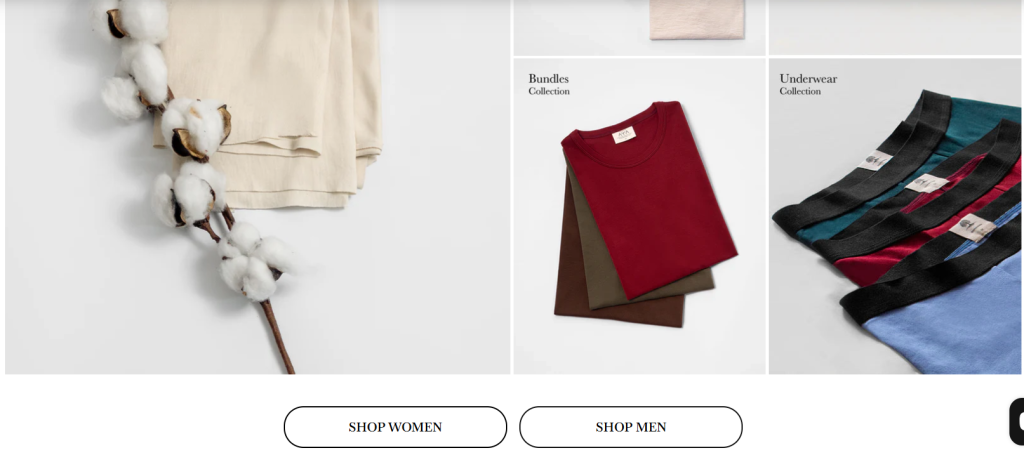
At ecoaya.com, AYA presents a diverse range of products that span categories for women, men, and even baby apparel, further branding its offerings under the umbrella of sustainable lifestyle essentials. The online storefront suggests that the brand’s inventory includes everything from organic Pima cotton shirts and underwear to alpaca sweaters and accessories like gloves and ceramic home goods. AYA describes its range as inclusive of chemical-free garments intended for everyday use, crafted with an eye toward durability and long-term wear. While the full scope of the product catalog appears broad, each item is framed within the brand’s commitment to eliminate harmful materials and prioritize comfort, quality, and sustainability. Observers have noted that this diversified portfolio seeks to appeal to a wide demographic of consumers who are interested not just in fashion but in clothing that aligns with ethical and environmental values.
Industry Reception and Consumer Perspectives on AYA Brand Claims
Industry reception of AYA Sustainable Fashion has been mixed, with some fashion analysts and consumer watchdog reports urging caution regarding the brand’s claims. For instance, third-party reviews of ecoaya.com have noted a “questionable” trust score based on various risk evaluation factors, underscoring the importance of transparency and credibility in the digital marketplace. Such assessments suggest that potential customers should exercise diligence when evaluating brand promises, especially those that make sweeping environmental claims. Meanwhile, segments of the consumer base that prioritize eco-conscious products have greeted AYA’s plastic-free positioning with curiosity and enthusiasm, particularly as larger fashion conglomerates continue to grapple with sustainability commitments. The split in reception illustrates a broader industry challenge—balancing aspirational branding with verifiable practices that withstand scrutiny from experts and advocates alike.
AYA Sustainable Fashion in the Context of Global Eco-Fashion Trends
Globally, sustainable fashion has transitioned from a niche concept to a mainstream category over the past decade, driven by heightened awareness of environmental degradation, labor rights issues, and microplastic pollution. In this context, AYA Sustainable Fashion’s emergence can be seen as part of a larger movement that seeks to redefine the relationship between clothing production and planetary health. Brands like AYA that foreground organic materials, elimination of synthetic components, and ethical production are contributing to a reimagining of how fashion might evolve in a carbon-constrained world. Market research indicates that consumer demand for sustainable apparel is expected to grow significantly in key regions such as North America and Europe as younger demographics increasingly favor ethical purchasing decisions. AYA’s narrative aligns with these trends, yet industry observers emphasize that the effectiveness of such brands will ultimately hinge on their ability to substantiate environmental claims and scale operations without compromising core principles.
AYA Sustainable Fashion’s Future Prospects and Strategic Pathways
Looking ahead, AYA Sustainable Fashion is positioned at an intersection of opportunity and skepticism, where its plastic-free philosophy could resonate with a new generation of eco-conscious consumers while also inviting rigorous evaluation from industry watchdogs and certification bodies. Strategic pathways for the brand may include pursuing independent sustainability certifications, expanding transparent reporting on materials and supply chain impacts, and enhancing customer engagement through educational initiatives about non-toxic fashion. By evolving beyond aspirational messaging to demonstrable standards of sustainability, AYA could influence sector-wide practices and contribute to shaping a future where environmentally responsible apparel is not only desirable but verifiable. As consumer expectations continue to shift and regulatory frameworks around textile production tighten, brands like AYA may find that credibility and impact go hand in hand with sustained market relevance.