


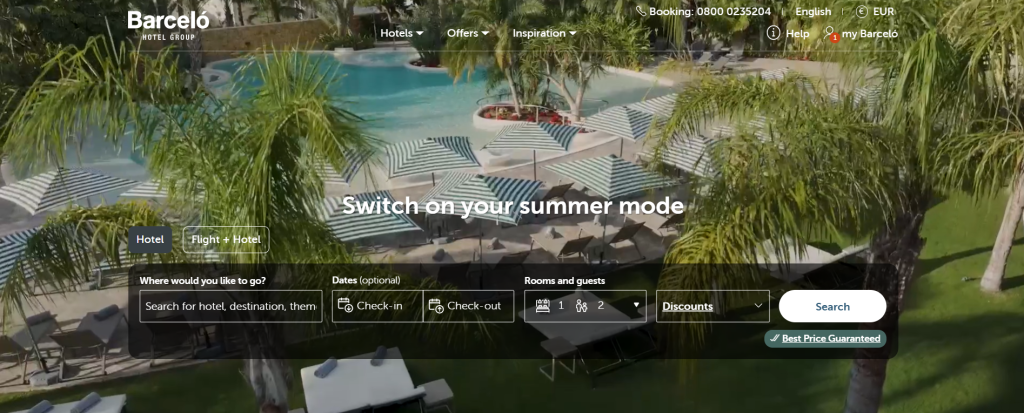
Barceló Hotel Group, operating under the Barceló brand, has continued to advance its international expansion strategy with a focus on strengthening its presence across leisure and urban hospitality markets. The company has been progressively increasing its footprint in key tourism destinations, emphasizing resort-style developments alongside upgrades to existing properties. Recent operational updates indicate a structured approach to portfolio diversification, where new hotel concepts are integrated with renovated establishments to align with evolving traveler expectations. Barceló’s expansion framework is supported by investments in premium accommodation categories, with attention to design modernization and service standardization across regions. The group’s development strategy also reflects a balance between established European markets and emerging destinations in Latin America, the Middle East, and parts of Asia.
Barceló Global Expansion and Market Reach Strategy
Barceló has maintained a consistent focus on expanding its global market reach through strategic hotel openings and partnerships in high-demand tourism regions. The company’s development pipeline includes properties in coastal destinations, metropolitan hubs, and resort-centric locations that cater to diverse traveler segments. This expansion strategy is supported by a mix of owned, managed, and leased hotel models, allowing flexibility in entering new markets while maintaining operational consistency. Barceló’s international growth has also been influenced by rising demand for leisure travel experiences and increased interest in all-inclusive hospitality offerings. The group continues to assess regional tourism trends to identify opportunities for future development, particularly in areas with growing infrastructure and government-backed tourism initiatives. Market entry decisions are guided by long-term occupancy forecasts and destination competitiveness, ensuring alignment with the company’s global positioning.
Barceló Digital Transformation in Booking Systems


Barceló has been implementing enhancements to its digital booking systems as part of a broader transformation of its customer engagement platforms. The updates focus on improving reservation efficiency, interface usability, and integration across devices, allowing users to manage bookings through streamlined online channels. The company’s digital infrastructure supports direct booking capabilities, which are increasingly prioritized within the hospitality sector to reduce dependency on third-party platforms. Barceló has also been refining its mobile application features, enabling real-time updates on availability, pricing, and loyalty program access. These digital improvements are aligned with industry-wide shifts toward automation and personalized user experiences. The system upgrades are designed to support multiple languages and currencies, reflecting the brand’s global customer base.
Barceló Sustainability and Environmental Initiatives Update
Barceló has continued to expand its sustainability initiatives across its hotel operations, focusing on energy efficiency, waste reduction, and responsible resource management. The group has introduced measures aimed at reducing environmental impact through improved water conservation systems and reduced single-use plastics across properties. Several hotels within the Barceló portfolio have adopted renewable energy solutions, including solar installations and optimized energy consumption systems. These initiatives are part of a broader corporate responsibility framework that integrates sustainability goals into operational planning. Barceló also collaborates with local suppliers in various regions to support more sustainable supply chains and reduce transportation-related emissions. Environmental monitoring systems are being implemented in multiple properties to track progress against internal sustainability benchmarks.
Barceló Property Renovation and Upgrade Programs

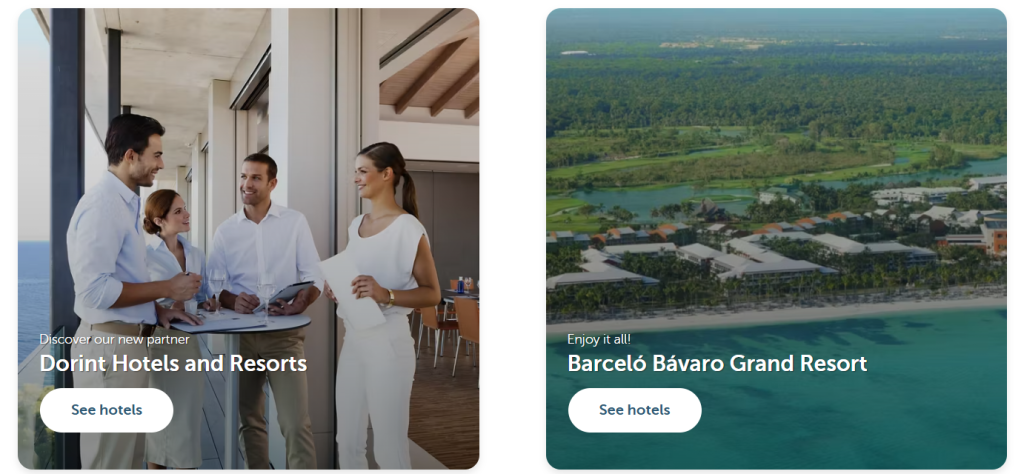
Barceló has been actively engaged in renovation and refurbishment programs across selected properties within its international portfolio. These upgrade initiatives focus on modernizing guest rooms, enhancing public areas, and improving overall infrastructure to align with current hospitality design trends. The renovation efforts often include updates to interior aesthetics, technological enhancements, and improvements in service facilities such as restaurants and wellness areas. Barceló’s refurbishment strategy is designed to extend the lifecycle of existing assets while maintaining brand consistency across regions. The company prioritizes properties in high-traffic tourist destinations where demand for upgraded accommodations remains strong. Renovation projects are typically scheduled in phases to minimize operational disruption and ensure continuous guest service availability.
Barceló Loyalty Program Development and Customer Engagement
Barceló has continued to refine its loyalty program structure as part of efforts to enhance customer retention and engagement across its hotel network. The program offers tiered membership benefits that include room upgrades, exclusive pricing, and access to additional services within participating properties. Recent updates to the program focus on increasing personalization through data-driven insights that tailor offers based on customer preferences and travel history. Barceló has also integrated its loyalty system more closely with its digital booking platforms, allowing members to manage rewards and reservations within a unified interface. The program is designed to encourage repeat stays while providing incentives for direct bookings through official channels. Customer engagement initiatives also include targeted communications and seasonal promotional campaigns distributed through digital platforms.
Barceló Regional Performance Across Key Tourism Markets

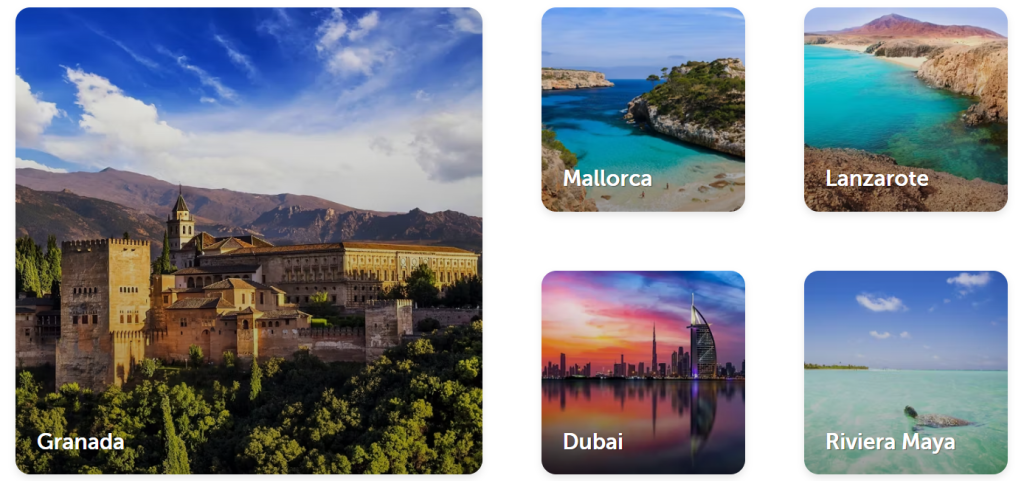
Barceló’s performance across key tourism markets has been influenced by varying regional demand patterns and travel recovery trends. The group has reported steady occupancy levels in several European destinations, supported by increased intra-regional travel and seasonal tourism flows. In Latin America, Barceló properties have benefited from growing interest in resort-based travel experiences, particularly in coastal and cultural destinations. The Middle East and select Asian markets have also contributed to portfolio diversification, with developments aligned to rising international visitor arrivals. The company monitors regional performance indicators such as occupancy rates, average daily rates, and revenue per available room to guide operational adjustments. Barceló’s regional strategy emphasizes flexibility in pricing and service offerings to adapt to market-specific conditions.
Barceló Hospitality Innovation and Service Enhancement Efforts
Barceló has been focusing on hospitality innovation initiatives aimed at enhancing guest experience and operational efficiency across its hotel network. These efforts include the introduction of smart room technologies, automated check-in systems, and improved in-room digital services. The company is also exploring artificial intelligence applications to support customer service functions and streamline internal operations. Service enhancement programs within Barceló properties emphasize staff training, process optimization, and consistency in guest interaction standards. The integration of technology into daily hotel operations is designed to improve responsiveness and reduce service delays. Barceló also continues to experiment with hybrid hospitality models that combine traditional hotel services with flexible workspace offerings, reflecting changing travel and work patterns.