FeedsFlare
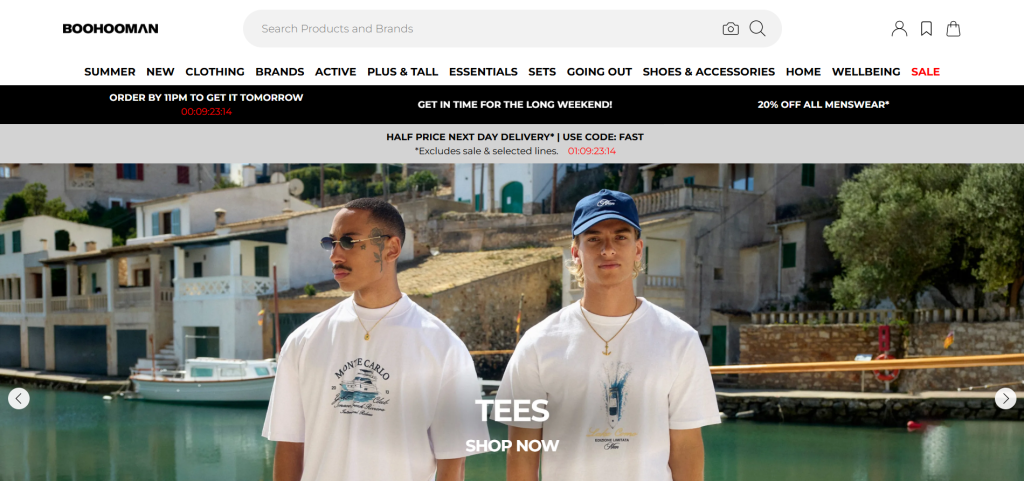
BoohooMAN has expanded its digital retail strategy through the continued rollout of Brand Locker, a marketplace platform integrated into its online storefront that broadens the retailer’s menswear and lifestyle assortment beyond in-house collections. The platform adds hundreds of third-party labels across fashion, footwear, accessories, sportswear, and lifestyle categories, positioning BoohooMAN as a wider marketplace destination for male shoppers seeking multi-brand purchasing options in a single transaction. The launch reflects a broader shift in online retail toward marketplace-led infrastructure, allowing fashion platforms to increase assortment without directly managing all inventory. Brand Locker now sits alongside BoohooMAN’s core proprietary apparel lines and new seasonal drops, creating a hybrid model that combines original product design with curated partner-brand offerings.
BoohooMAN Brand Locker Broadens Product Assortment
BoohooMAN’s Brand Locker platform introduces a significantly wider catalog of products by incorporating third-party brands into the retailer’s ecosystem. Through the marketplace, shoppers can browse categories beyond BoohooMAN’s traditional private-label apparel offering, including sneakers, accessories, fitness gear, and complementary lifestyle merchandise. This expanded assortment allows BoohooMAN to serve customers looking for more complete wardrobe and lifestyle solutions while maintaining its focus on digitally native menswear retail. The strategy enables the company to diversify its product mix without relying exclusively on internal design and sourcing operations. Marketplace functionality also gives BoohooMAN flexibility to respond faster to shifting consumer preferences by onboarding external labels aligned with emerging trends. By integrating outside brands into its platform, BoohooMAN is reshaping its website from a single-brand storefront into a broader retail destination for men’s fashion and related categories.
BoohooMAN Marketplace Model Supports Digital Growth

BoohooMAN’s marketplace rollout aligns with wider e-commerce trends in which fashion retailers are leveraging third-party seller infrastructure to increase scale and efficiency. Under this model, BoohooMAN can offer larger product breadth while reducing inventory exposure associated with traditional wholesale purchasing. The platform-based approach supports a more asset-light retail structure and allows the company to focus on customer acquisition, digital merchandising, and brand positioning while external sellers manage portions of product fulfillment and stock. For BoohooMAN, the transition also reflects increasing emphasis on platform economics within online retail, where expanding assortment and increasing basket size are key drivers of revenue growth. As competition intensifies in digital fashion, marketplace expansion provides BoohooMAN with a route to strengthen engagement and extend average customer spend through cross-category shopping opportunities.
BoohooMAN Retains Core Fashion Identity Alongside Expansion
Despite the broader marketplace strategy, BoohooMAN continues to maintain its core positioning around trend-led men’s apparel, with the brand’s own collections remaining central to the platform. New arrivals, seasonal edits, streetwear-focused drops, denim, activewear, and tailoring remain featured prominently across the BoohooMAN website alongside Brand Locker additions. The retailer continues to release regular “new in” and seasonal product updates through its proprietary label while using marketplace integration to complement rather than replace its in-house ranges. This dual-brand structure allows BoohooMAN to preserve its identity as a fashion-led menswear label while expanding into a more comprehensive shopping destination. By balancing owned collections with third-party offerings, the company can continue building its direct fashion brand while diversifying customer pathways across the site.
BoohooMAN Targets Lifestyle Positioning Through Marketplace Strategy

BoohooMAN has positioned Brand Locker as part of a broader lifestyle-focused retail proposition rather than a standalone apparel expansion. The marketplace concept is designed to reflect the multiple purchasing interests of its core demographic, which increasingly shops across categories including fitness, accessories, footwear, and streetwear from multiple brands in a single digital journey. This broader positioning helps BoohooMAN move beyond transactional clothing sales into a more ecosystem-based retail experience. By combining owned collections with curated external labels, BoohooMAN can better align with the shopping behaviors of younger online consumers who often seek mixed-brand purchases rather than loyalty to a single label. The marketplace format also supports merchandising around themes such as gymwear, nightlife, casualwear, and street fashion, reinforcing BoohooMAN’s attempt to build a wider lifestyle-oriented customer proposition.
BoohooMAN Strengthens Competitive Position In Online Menswear
The expansion of Brand Locker provides BoohooMAN with additional tools to compete in the increasingly crowded online menswear market, where assortment depth and convenience play major roles in conversion and retention. By offering both proprietary apparel and external partner products within one platform, BoohooMAN can compete more directly with broader online fashion marketplaces while maintaining its established brand recognition among younger male consumers. Marketplace diversification may also improve customer retention by reducing the need for shoppers to leave the BoohooMAN ecosystem when seeking products outside its in-house range. As online shoppers continue favoring convenience, larger selection, and integrated checkout experiences, BoohooMAN’s broader retail model may help strengthen its position against both specialist menswear retailers and general fashion marketplaces.
BoohooMAN Leverages Marketplace To Support Operational Efficiency
BoohooMAN’s adoption of a marketplace framework may also improve operational efficiency by reducing the financial burden of carrying expanded inventory internally. Traditional inventory-heavy retail expansion requires upfront purchasing commitments, warehousing, and markdown risk, whereas marketplace integration can shift portions of those responsibilities to third-party partners. This allows BoohooMAN to test category expansion with greater flexibility and lower capital exposure while still monetizing platform traffic. The approach may support margin preservation and inventory discipline during periods of fluctuating consumer demand, particularly in the fast-moving fashion sector. For BoohooMAN, the operational advantages of marketplace retail complement the commercial opportunity of offering broader assortment, creating a more scalable infrastructure for long-term digital commerce growth.
BoohooMAN Continues Platform Evolution Beyond Traditional Retail
The development of Brand Locker signals BoohooMAN’s broader evolution from a direct-to-consumer fashion retailer into a platform-oriented digital commerce business. While the company remains rooted in trend-focused menswear, the addition of marketplace functionality expands its strategic role within the online retail landscape. BoohooMAN’s latest initiative indicates a move toward ecosystem-based commerce, where the brand functions not only as a designer and seller of apparel but also as a curator and distributor of third-party merchandise within its own environment. As digital retail models continue to shift toward platform consolidation and assortment-led growth, BoohooMAN’s marketplace expansion represents a structural step in the brand’s next phase of online development. The initiative positions the company for continued experimentation across retail categories, partnerships, and commerce formats as it adapts to broader shifts in fashion e-commerce.