FeedsFlare

Buser is positioning itself at the center of Brazil’s peak travel season with ambitious plans to transport 400,000 passengers to and from Rio de Janeiro during this high-demand period. The announcement reflects Buser’s rapid expansion and growing influence in the intercity travel market, particularly as seasonal demand surges around holidays, festivals, and summer travel. Rio de Janeiro remains one of the country’s most sought-after destinations, and Buser’s strategy focuses on meeting this demand with scalable operations, competitive pricing, and flexible travel options. By preparing for such a significant passenger volume, Buser signals confidence in both its operational infrastructure and its ability to respond to changing consumer travel behaviors. This milestone also underscores how digital-first mobility platforms are reshaping long-distance travel across Brazil.
Buser Strengthens Its Peak Season Strategy to Meet Rising Demand
Buser has placed peak season planning at the core of its growth roadmap, recognizing that high-demand travel periods present both opportunity and operational complexity. With Rio de Janeiro acting as a major travel magnet, Buser has expanded route availability, increased departure frequency, and optimized scheduling to accommodate a larger passenger base. The platform’s data-driven approach allows Buser to anticipate travel spikes and allocate capacity more efficiently. Rather than reacting to demand, Buser aims to stay ahead of it, ensuring smoother journeys even during the busiest travel windows. This proactive strategy demonstrates how Buser leverages technology and market insights to scale responsibly while maintaining service reliability during peak travel seasons.
Buser Expands Route Connectivity Focused on Rio de Janeiro
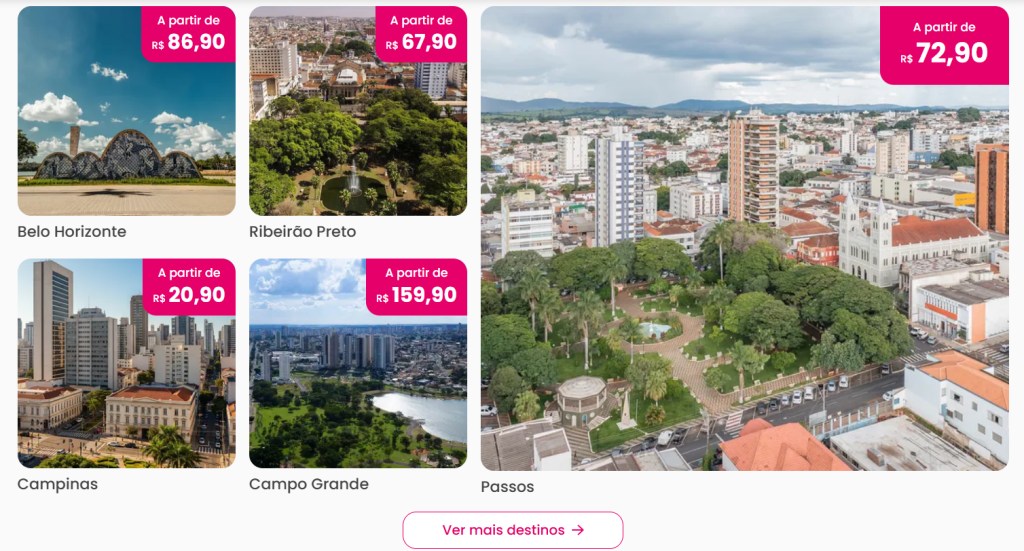
Route expansion plays a central role in Buser’s plan to move 400,000 passengers through Rio during peak season. Buser has strengthened connectivity between Rio de Janeiro and multiple cities across Brazil, catering to both leisure travelers and those visiting family or attending events. By increasing the number of origin points, Buser broadens access to Rio without relying solely on traditional transport hubs. This network-focused approach allows Buser to serve underserved routes while also easing congestion on more popular corridors. Enhanced connectivity supports Buser’s broader mission of making intercity travel more accessible, flexible, and affordable, especially during periods when demand traditionally outpaces supply.
Buser Leverages Digital Booking to Scale Passenger Volumes
Buser’s digital-first booking platform is a key enabler of its rapid passenger growth, particularly during peak seasons. The ability to manage large booking volumes in real time allows Buser to adjust capacity, pricing, and availability dynamically. Travelers benefit from transparent options, flexible schedules, and simplified planning, while Buser gains operational visibility across its network. This scalability is essential when targeting a figure as substantial as 400,000 passengers for a single destination. Buser’s technology infrastructure supports fast decision-making and efficient coordination with partner operators, reinforcing the platform’s ability to handle demand surges without compromising the overall travel experience.
Buser Aligns Affordability With High-Season Travel Needs

Affordability remains a defining element of Buser’s value proposition, especially during peak travel periods when prices across the travel sector tend to rise. Buser’s shared charter model and optimized route planning help keep fares competitive, making Rio de Janeiro more accessible to a wider range of travelers. By maintaining cost efficiency while scaling operations, Buser positions itself as an attractive alternative to traditional travel options during busy seasons. This focus on value is particularly relevant for price-sensitive travelers who still seek comfort and reliability. Buser’s approach highlights how affordability and scale can coexist when supported by efficient digital infrastructure and strategic partnerships.
Buser Enhances Operational Coordination During High Traffic Periods
Handling peak-season passenger volumes requires robust coordination, and Buser has invested heavily in operational readiness. From departure timing to fleet availability, Buser works closely with partner bus operators to ensure consistent service levels. Enhanced monitoring tools allow Buser to track performance and address potential disruptions quickly. This level of coordination is essential when managing hundreds of thousands of passengers moving in and out of a single destination like Rio de Janeiro. Buser’s emphasis on operational discipline supports its broader growth ambitions while helping maintain trust among travelers who rely on the platform during critical travel windows.
Buser Responds to Changing Travel Patterns and Seasonal Mobility Trends

Buser’s growth strategy reflects a deeper understanding of how travel patterns are evolving in Brazil. Peak seasons are no longer limited to a few fixed dates, as flexible work arrangements and dynamic holiday planning influence when and how people travel. Buser adapts to these shifts by offering varied departure times and flexible options that align with modern mobility needs. The plan to transport 400,000 passengers to Rio underscores Buser’s responsiveness to these trends. By aligning its services with contemporary travel behaviors, Buser reinforces its relevance in a market where convenience and adaptability increasingly shape consumer choice.
Buser Positions Peak Season Growth as a Foundation for Long-Term Expansion
The decision to scale operations for Rio’s peak season goes beyond short-term volume targets and reflects Buser’s long-term growth vision. Successfully managing such a high passenger count strengthens Buser’s operational expertise and brand credibility. Lessons learned during peak periods can be applied to future expansions and other high-demand destinations. By treating peak season growth as a strategic milestone rather than a one-off challenge, Buser lays the groundwork for sustained expansion across Brazil. This forward-looking approach highlights how Buser uses seasonal demand as a catalyst for building a more resilient, scalable, and accessible intercity travel platform.