




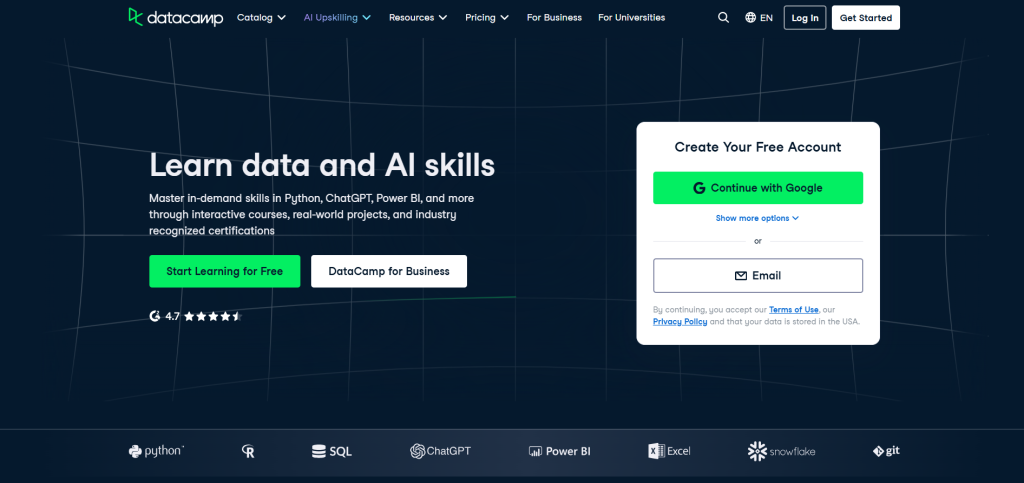
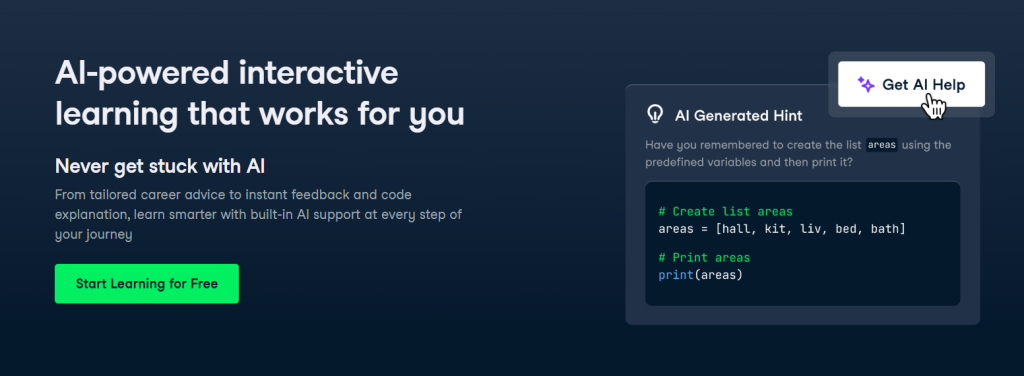
DataCamp has introduced a significant update to its learning ecosystem with the rollout of an enhanced DataCamp Workspace AI feature, designed to improve how users interact with data science, analytics, and programming content. The update focuses on integrating artificial intelligence capabilities directly into the platform’s browser-based coding environment, enabling learners to receive contextual guidance, code suggestions, and explanations while working on real datasets. According to information presented on the company’s platform, the feature aims to bridge the gap between theoretical learning and hands-on application by offering a more dynamic and responsive experience. DataCamp, which provides online courses in data science, machine learning, and analytics, continues to expand its product offerings in response to the growing demand for practical data skills.
DataCamp Workspace AI Introduces Real-Time Coding Assistance
DataCamp Workspace AI brings real-time coding assistance into the platform’s interactive environment, allowing users to write, edit, and analyze code with integrated support. The feature is designed to assist learners working with programming languages such as Python and SQL, providing suggestions that align with the context of their current tasks. Users can generate code snippets, debug errors, and receive explanations without leaving the workspace interface. This development reflects DataCamp’s focus on reducing friction in the learning process by minimizing the need for external tools or references. The real-time assistance is particularly relevant for learners who are transitioning from guided courses to independent projects, as it supports experimentation while maintaining a structured learning framework.
DataCamp Expands Practical Learning Through Integrated Projects

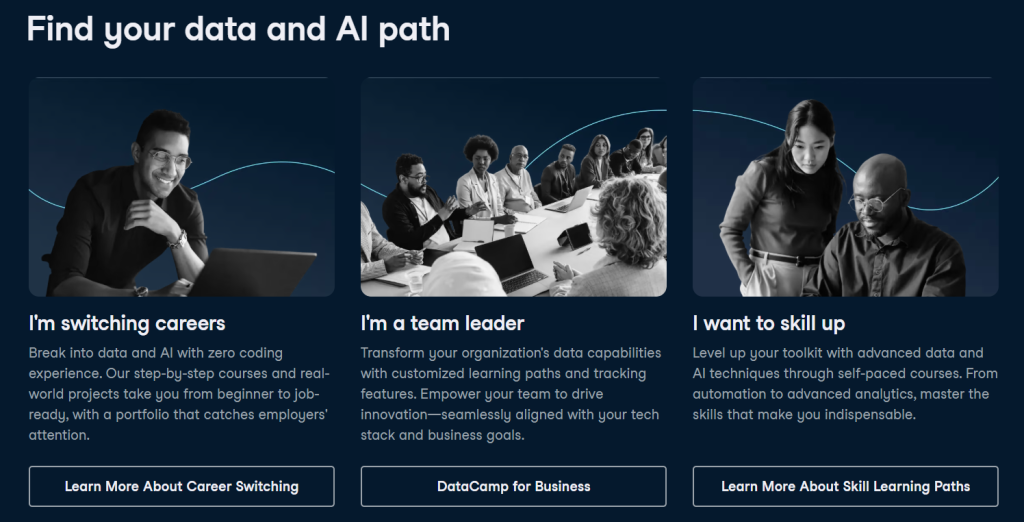
DataCamp has expanded its practical learning approach by integrating more project-based content within the Workspace environment. The updated system allows users to work on datasets and scenarios that simulate real-world applications, ranging from business analytics to machine learning workflows. These projects are structured to guide learners through problem-solving processes while allowing flexibility in how tasks are completed. DataCamp’s platform emphasizes hands-on experience as a core component of skill development, and the Workspace AI feature supports this by offering contextual insights during project execution. The integration of projects within the workspace also enables users to build portfolios that demonstrate their capabilities to potential employers. This approach aligns with industry demand for job-ready skills, where practical experience is often considered alongside theoretical knowledge.
DataCamp Enhances Personalized Learning with AI Recommendations
DataCamp has incorporated AI-driven recommendations into its platform to deliver more personalized learning experiences for users. The system analyzes user behavior, course progress, and performance metrics to suggest relevant lessons, projects, and skill tracks. With the addition of Workspace AI, these recommendations extend into the coding environment, where learners can receive tailored guidance based on their current activities. This personalization aims to help users navigate the platform more efficiently, focusing on content that aligns with their goals and skill levels. DataCamp’s recommendation engine is part of a broader strategy to leverage data analytics in improving user engagement and outcomes. By combining structured learning paths with adaptive suggestions, the platform provides a more customized experience that supports both beginners and advanced learners.
DataCamp Strengthens Enterprise Training with Workspace AI Tools

DataCamp has extended the capabilities of Workspace AI to support enterprise clients, offering tools designed for team-based learning and corporate training programs. Organizations using DataCamp for employee upskilling can now leverage the enhanced workspace to facilitate collaborative projects, data analysis tasks, and coding exercises. The platform provides administrative features that allow companies to track progress, measure performance, and align training initiatives with business objectives. Workspace AI adds an additional layer of support by enabling employees to work more efficiently on data-related tasks while receiving guidance within the platform. This development reflects the growing importance of data literacy in the workplace, where organizations are investing in training solutions to build internal expertise.
DataCamp Updates Platform Interface for Improved User Experience
DataCamp has implemented updates to its platform interface to complement the introduction of Workspace AI, focusing on improving usability and navigation. The updated design features streamlined menus, enhanced search functionality, and a more intuitive layout that allows users to access courses, projects, and workspace tools with greater ease. These changes are intended to create a cohesive experience across different sections of the platform, ensuring that learners can transition smoothly between learning modules and practical applications. DataCamp’s interface improvements also include faster load times and optimized performance, which contribute to a more efficient user experience. The updates reflect the platform’s ongoing efforts to align with modern digital standards, where ease of use and accessibility are critical factors in user engagement.
DataCamp Aligns Product Strategy with Growing Demand for Data Skills

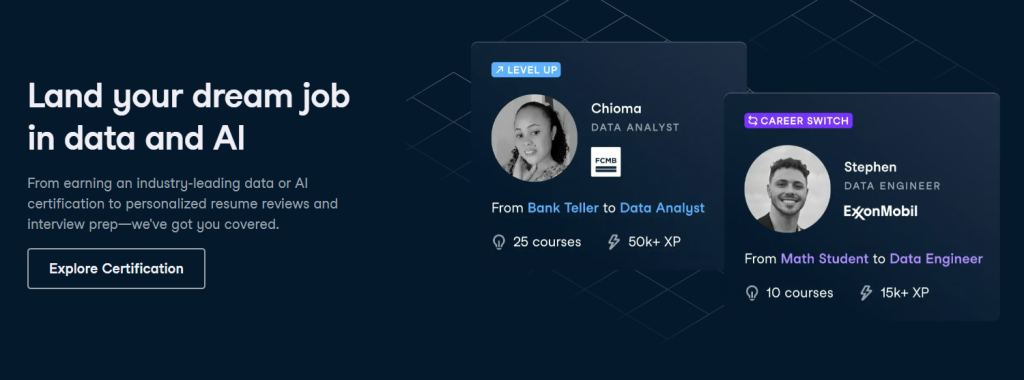
DataCamp’s introduction of Workspace AI and related platform updates aligns with the increasing global demand for data science and analytics skills. As industries continue to adopt data-driven decision-making processes, the need for accessible and practical training solutions has grown significantly. DataCamp’s platform addresses this demand by offering a wide range of courses and tools that cater to learners at مختلف stages of their careers. The addition of AI-powered features reflects a shift toward more interactive and adaptive learning environments, where users can develop skills through direct engagement with data. DataCamp’s strategy emphasizes scalability, allowing the platform to serve individual learners, educational institutions, and corporate clients. By aligning its product development with market trends, DataCamp continues to position itself as a key provider of online data education in an increasingly competitive landscape.
DataCamp Expands Global Reach Through Online Learning Infrastructure
DataCamp continues to expand its global reach by leveraging its online learning infrastructure, making data education accessible to users across different regions. The platform’s digital-first approach allows learners to access courses and workspace tools from anywhere, supporting flexible learning schedules and diverse user needs. The introduction of Workspace AI further enhances this accessibility by providing in-platform assistance that reduces reliance on external resources. DataCamp’s global expansion is supported by localized content, multilingual support, and partnerships with organizations that promote digital skills development. These efforts contribute to the platform’s ability to attract a broad audience, including students, professionals, and businesses. By continuously updating its technology and content offerings, DataCamp maintains its focus on delivering scalable and accessible education solutions.