FeedsFlare
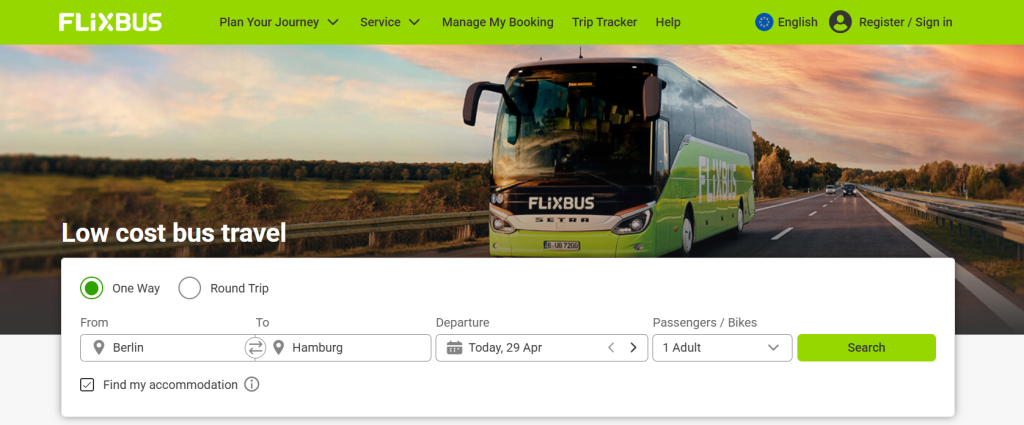
FlixBus is accelerating its international growth strategy with a renewed focus on India after company executives indicated that the country is expected to become the brand’s largest market by passenger volume by 2030. The mobility technology company, known for its long-distance coach and rail booking platform, has identified India as one of its most strategic expansion markets following sustained growth since entering the country in 2024. FlixBus has reported strong demand across major Indian intercity travel corridors and is preparing to increase network capacity in response. The company’s latest outlook reflects a broader global expansion strategy in which high-growth transport markets are being prioritized to support passenger volume gains. As FlixBus expands services across multiple continents, India is emerging as a central pillar of the brand’s long-term international roadmap, with the company planning to deepen route penetration, increase partner operations, and strengthen regional connectivity across major travel corridors.
FlixBus Expands India Network With New Summer Growth Plans
FlixBus has outlined plans for a significant expansion of its Indian network during the upcoming summer travel period, with executives stating that the company is targeting roughly 30 percent network growth in the market. The move follows rising consumer adoption of organized intercity coach travel and increased demand for technology-enabled ticketing and route planning. FlixBus has been growing its footprint across northern and central India while continuing to assess additional state-level opportunities for network expansion. The company’s India strategy remains focused on building frequency across existing routes while also launching new city-pair connections to serve both business and leisure travelers. Management has pointed to infrastructure and terminal availability as operational considerations, but remains confident in long-term market demand and scalability across the country’s fragmented bus transportation sector.
FlixBus Strengthens Delhi Corridor Presence Through Route Development

FlixBus is also continuing to invest in route development around the Delhi travel corridor, one of its fastest-growing regions in India. Company officials have highlighted the Delhi–Dehradun corridor as a priority market where additional scaling is expected in the near term due to strong booking trends and passenger demand. This corridor has become an important testing ground for FlixBus as it refines route density, pricing optimization, and partner deployment strategies in the Indian market. By focusing on high-frequency routes first, FlixBus is aiming to create a replicable operational model for broader nationwide rollout. The company’s corridor-based growth strategy mirrors its expansion approach in other international markets, where it first builds dominance in major transport lanes before broadening into adjacent regional destinations and secondary cities.
FlixBus Grows UK Operations Through First Bus Partnership Expansion
Outside India, FlixBus has expanded its United Kingdom operations through a larger partnership with First Bus, adding further operational capacity to its domestic network. The expanded agreement includes 11 additional coaches entering service in 2026, increasing First Bus’s dedicated FlixBus fleet and adding capacity across key routes in the Midlands and northern England. The move strengthens FlixBus’s position in the UK intercity coach market and reflects the company’s strategy of scaling through local operating partners rather than directly owning vehicles. By deepening its partnership with established regional operators, FlixBus continues to increase route coverage while maintaining its asset-light business model. The UK remains one of the company’s strategically important European markets, and additional capacity is expected to support continued passenger growth.
FlixBus Adds Regional Capacity Across Wales With Service Increase
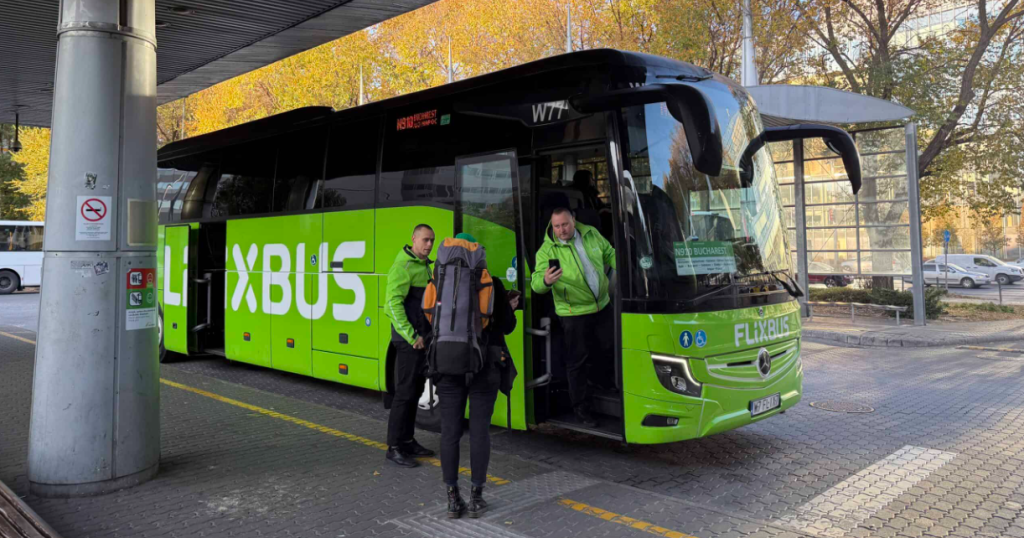
FlixBus has also broadened its UK network through expanded coach services in Wales, where the company recently launched additional routes connecting Swansea, Cardiff, Heathrow Airport, and London. The network enhancement includes multiple new daily services and expanded schedules designed to improve connectivity between Welsh cities and major English transport hubs. This latest development was enabled through an expanded partnership with regional operator Watts Coaches, which has added new branded vehicles to support the increased service frequency. The route additions form part of FlixBus’s broader 2026 European growth strategy and demonstrate the company’s continued investment in underserved regional transport markets where long-distance bus travel demand is increasing. FlixBus has identified regional network densification as a core operational priority across several European countries.
FlixBus Expands Fleet Through J&B Travel Yorkshire Agreement
FlixBus has further expanded its UK fleet through an enlarged partnership with J&B Travel, adding new vehicles and increasing services across Yorkshire and northern England. The agreement introduces additional FlixBus-branded coaches to the regional network and supports broader service expansion during the 2026 travel season. The fleet additions contribute to FlixBus’s strategy of increasing seat availability in response to growing demand while maintaining consistent branding and onboard service standards across partner-operated routes. Yorkshire has become an increasingly important operational area for the company as it strengthens regional connectivity between urban centers and airport links. The expansion also highlights how FlixBus continues to scale by leveraging operator partnerships to rapidly deploy additional capacity in targeted markets without direct vehicle ownership.
FlixBus Continues Global Expansion With Broader International Rollout
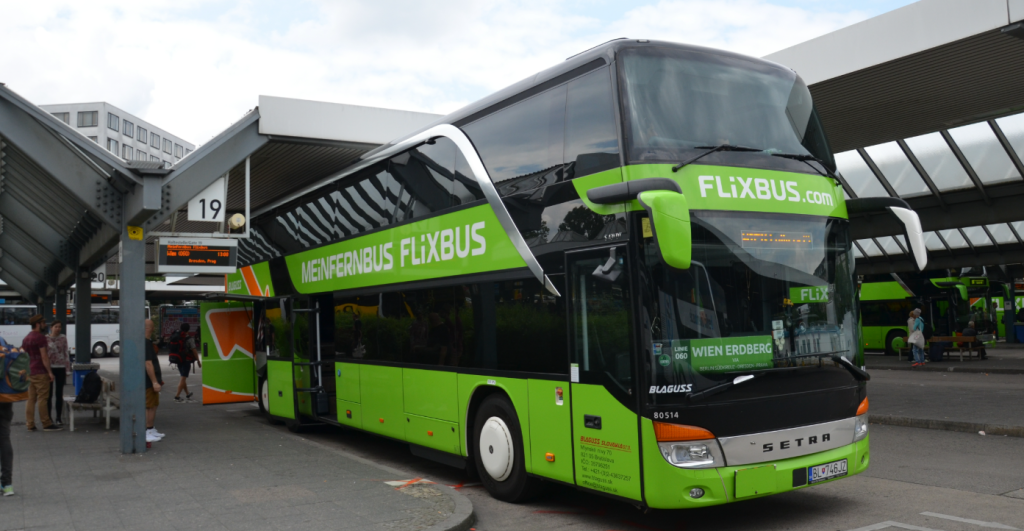
FlixBus’s latest regional growth initiatives follow a wider international expansion strategy that has taken the company into new global markets over the past year. The business recently expanded into Australia, marking its fifth continent of operations and extending its reach deeper into the Asia-Pacific region. This move came as part of FlixBus’s long-term strategy to enter high-potential mobility markets with fragmented intercity transport sectors where digital booking, pricing optimization, and route planning can create operational advantages. The Australian launch added to previous growth in markets including India and Mexico, underlining the company’s intent to establish a broader international transportation network spanning both mature and emerging economies. Global market diversification remains central to FlixBus’s long-term growth framework.
FlixBus Advances Sustainability Goals Alongside Network Growth
FlixBus is pairing its network expansion with broader sustainability initiatives as it continues to position collective transport as a lower-emission travel alternative. According to company sustainability disclosures, Flix has continued investing in environmental reporting frameworks, fuel-efficiency improvements, and partnerships aimed at supporting alternative drive technologies across its operating network. The company has stated that passengers choosing its coach network instead of private vehicles or flights can contribute to lower transport emissions on a per-passenger basis. Sustainability remains integrated into FlixBus’s expansion narrative as regulators and consumers increasingly focus on greener transport options. As the company expands into new territories and adds fleet capacity through partners, its sustainability commitments are expected to remain part of operational planning and long-term strategic positioning across international markets.