FeedsFlare
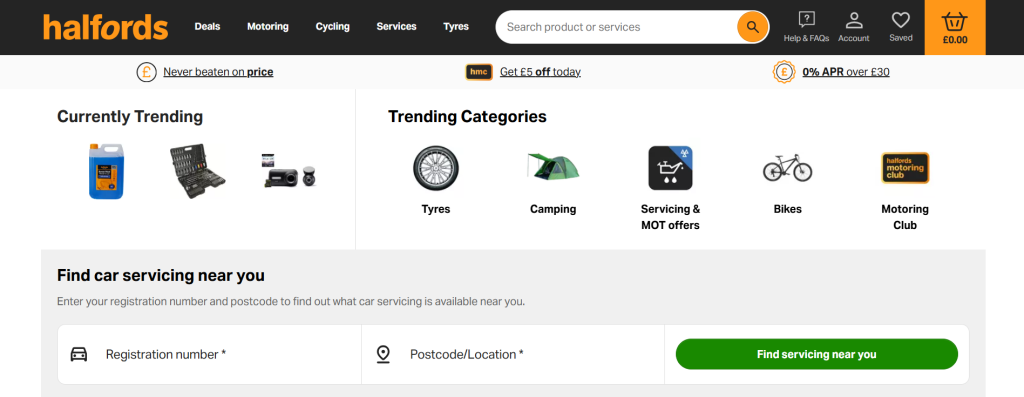
Halfords has continued to advance its position in the UK mobility and automotive services sector with a series of operational and service developments focused on retail transformation, workshop expansion, and enhanced customer accessibility. The company has been aligning its strategy with the growing demand for integrated transport solutions, including cycling, electric mobility, vehicle maintenance, and roadside support services. Recent activity has highlighted a continued shift toward strengthening its Autocentres division alongside retail outlets, enabling customers to access both product sales and service-based offerings within a unified ecosystem. Halfords has also been investing in digital booking systems and service infrastructure upgrades to streamline customer experience across its stores and garages.
Halfords Automotive Network Expansion Drives Service Capacity Growth
Halfords has expanded its automotive service network through continued investment in its Autocentres division, increasing capacity for maintenance, diagnostics, and repair services across multiple regions. The company has been focusing on enhancing workshop throughput and improving scheduling systems to accommodate rising demand for routine servicing and compliance-related work such as MOT testing. This expansion aligns with broader industry trends where consumers increasingly seek combined retail and service providers for vehicle maintenance needs. Halfords has also been integrating advanced diagnostic tools and standardized service protocols across its centres to support consistency in operational delivery. The automotive segment continues to play a significant role in the company’s revenue structure, complementing its retail sales of car parts, accessories, and tools.
Halfords Cycling Segment Growth and E-Bike Service Focus

Halfords has continued to develop its cycling segment, with particular attention to electric bicycles and associated maintenance services as demand for sustainable transport options grows. The company has expanded its range of cycling products across its retail stores while simultaneously enhancing service offerings through specialized bike repair and assembly facilities. Electric bikes have become a key area of focus, leading to increased investment in technician training and workshop capability to handle battery systems, motor diagnostics, and electronic components. Halfords has also been supporting cycling infrastructure through service plans and repair subscriptions designed to encourage regular maintenance and improved product lifespan. In parallel, traditional bicycle sales and accessories remain part of its core retail offering, supported by seasonal demand fluctuations and urban mobility trends.
Halfords Digital Transformation Enhances Customer Service Platforms
Halfords has been implementing digital transformation initiatives aimed at improving customer interaction across its retail and service operations. The company has focused on expanding online booking systems for vehicle servicing, MOT appointments, and cycling repairs, allowing customers to manage services through integrated digital platforms. These systems are designed to reduce wait times and improve scheduling efficiency across its nationwide network of service centres. Additionally, Halfords has been upgrading its e-commerce infrastructure to support improved product availability tracking and click-and-collect services across stores. The digital strategy also includes enhanced customer communication tools, enabling real-time service updates and maintenance notifications. This transformation aligns with broader retail industry shifts toward omnichannel engagement, where physical and digital experiences are closely connected.
Halfords Retail Store Format Adjustments Across UK Locations

Halfords has been adjusting its retail store formats to better integrate product sales with in-store service capabilities, reflecting changing consumer expectations in the mobility sector. The company has been repositioning selected locations to include expanded workshop facilities, enabling customers to access both retail and automotive services within a single site. This approach supports efficiency in service delivery while optimizing physical store usage across urban and suburban areas. The revised store model often includes dedicated zones for cycling products, car accessories, and diagnostic services, creating a more structured retail environment. Halfords has also been evaluating store performance to determine optimal space allocation between retail inventory and service operations.
Halfords Fleet and Business Services Strengthen Commercial Reach
Halfords has been expanding its fleet and business services segment, targeting commercial clients requiring structured vehicle maintenance and mobility solutions. This includes servicing agreements for corporate fleets, leasing companies, and small to medium enterprises that depend on consistent vehicle uptime. The company has been strengthening its workshop scheduling systems to accommodate higher-volume service contracts while maintaining standard retail operations. Fleet services typically include routine maintenance, tyre management, brake servicing, and compliance checks, all supported through its national network of Autocentres. Halfords has also been developing partnerships with business clients to offer bundled service packages designed to streamline fleet management processes.
Halfords Sustainability Strategy and Electric Mobility Investment

Halfords has been advancing sustainability-related initiatives with a focus on electric mobility, cycling adoption, and reduced environmental impact across its operations. The company has been increasing its involvement in electric vehicle servicing capabilities, including maintenance support for hybrid and fully electric models through its Autocentres network. Investments have also been directed toward expanding e-bike offerings and supporting infrastructure for battery-powered transport solutions. These efforts align with wider industry transitions toward lower-emission transport systems and changing regulatory expectations in the UK. Halfords has been reviewing operational practices to improve energy efficiency within its retail and service locations, alongside efforts to reduce waste and improve resource management.
Halfords Market Position and Competitive Retail Adjustments
Halfords continues to operate within a competitive retail environment shaped by evolving consumer preferences, online retail growth, and increased demand for integrated mobility services. The company has been adjusting its market positioning by reinforcing its dual focus on automotive services and cycling retail, allowing it to operate across multiple transport-related categories. Pricing strategies, service bundling, and product diversification have been key areas of operational focus as the business responds to changing economic conditions and consumer spending patterns. Halfords has also been leveraging its established brand presence in the UK to maintain relevance across both traditional motoring and emerging electric mobility segments. The integration of service and retail offerings has played a significant role in differentiating its business model from purely online competitors.