


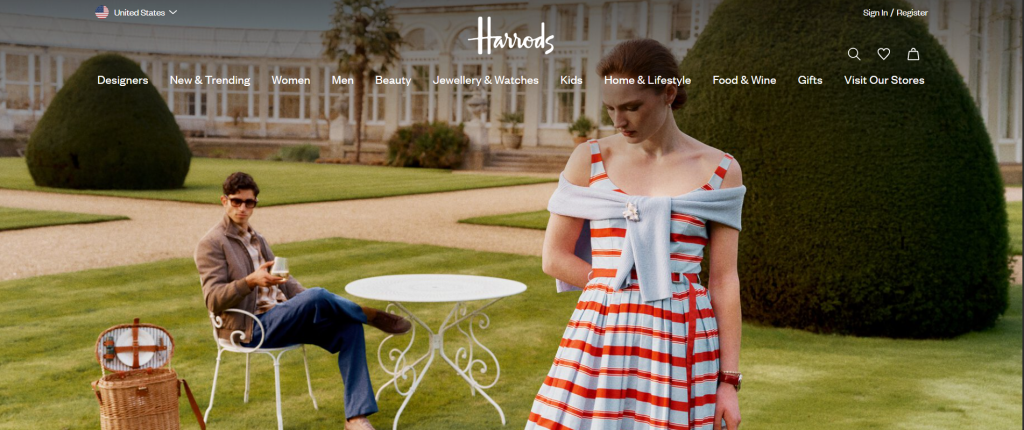
Harrods continues to evolve its position within the global luxury retail sector through a series of ongoing strategic enhancements across its physical and digital operations. The London-based department store has been focusing on strengthening its omnichannel infrastructure, allowing customers to interact seamlessly across online platforms and in-store environments. This development aligns with broader shifts in luxury retail, where integrated shopping experiences are becoming increasingly significant for customer engagement. Harrods has also been refining its digital storefront to improve product discovery, navigation, and personalization features, supporting a more structured approach to high-end retail accessibility. Alongside these digital improvements, the brand is also maintaining emphasis on curated in-store environments that reflect its long-standing heritage while adapting to modern consumer expectations.
Harrods Digital Platform Expansion Strategy
Harrods has been progressively advancing its digital commerce ecosystem as part of a broader modernization approach within its retail operations. The brand’s online platform has been structured to support a wider range of luxury categories, offering improved browsing architecture and streamlined navigation for international customers. This digital expansion is designed to enhance accessibility to high-end fashion, accessories, beauty, and lifestyle products across multiple regions. Harrods has also been integrating more responsive backend systems that support inventory visibility and cross-channel consistency, ensuring that online and physical store offerings remain closely aligned. In addition, the digital interface continues to evolve with refined search capabilities and curated product segmentation, enabling customers to explore collections in a more structured manner.
Harrods Brand Collaboration Network Growth

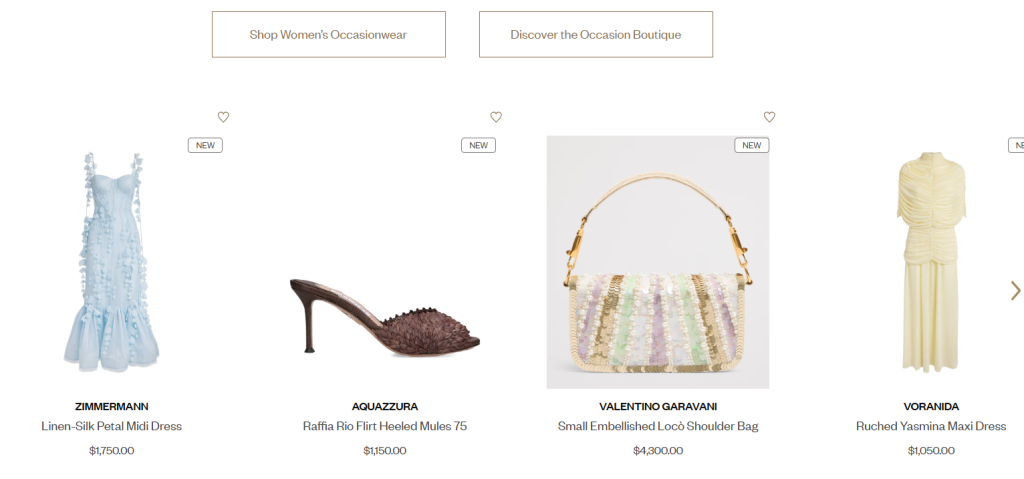
Harrods has been expanding its network of luxury brand collaborations, reinforcing its role as a key retail destination for high-end fashion houses and emerging designers. The department store has maintained a long-standing approach of curating exclusive partnerships that introduce limited collections and seasonal showcases within its London flagship and online platform. These collaborations span multiple categories, including ready-to-wear fashion, accessories, beauty products, and lifestyle offerings. Harrods continues to structure these partnerships in a way that emphasizes curated retail storytelling, where brand identity and product presentation are integrated into dedicated retail spaces. The expansion of collaboration programs also supports increased visibility for international luxury labels seeking exposure in established retail environments. Through this approach, Harrods maintains its position as a central hub for luxury brand engagement, offering structured opportunities for both established and emerging names within the global fashion ecosystem.
Harrods In-Store Experience Enhancement Program
Harrods has been focusing on enhancing its in-store retail environment through continuous improvements in layout design, customer flow, and experiential shopping concepts. The flagship store in London remains a central component of this strategy, with dedicated departments being periodically updated to reflect evolving consumer preferences. These enhancements include refined product zoning, immersive brand installations, and updated visual merchandising frameworks that aim to create structured shopping journeys. Harrods has also been integrating more interactive elements within select departments, allowing customers to engage with products in a more dynamic retail setting. The emphasis on in-store experience aligns with broader luxury retail trends that prioritize engagement-driven environments over traditional transactional spaces. Through these ongoing updates, Harrods continues to reinforce its identity as a destination retail space, balancing historical architectural elements with modern retail design approaches.
Harrods Sustainability Initiative Progress


Harrods has been continuing its sustainability-related initiatives as part of its long-term operational framework within the luxury retail sector. The brand has been working on improving supply chain transparency and introducing more structured environmental considerations across product sourcing and packaging processes. These efforts include collaboration with partner brands that align with sustainability-focused manufacturing practices and material sourcing standards. Harrods is also exploring ways to reduce environmental impact within its store operations, including energy efficiency measures and waste reduction programs. The sustainability framework extends across multiple departments, ensuring that environmental considerations are integrated into both physical and digital retail functions. Additionally, the brand has been engaging in broader industry discussions around responsible luxury, contributing to evolving standards within the sector. These initiatives reflect an ongoing commitment to aligning luxury retail operations with environmental and regulatory expectations.
Harrods Food Hall Development Updates
Harrods has been maintaining continued development across its food hall and dining segments, which remain a significant component of its overall retail offering. The food halls within the London store are structured to feature a wide selection of gourmet products, international cuisine options, and specialty food items sourced from various global suppliers. Ongoing updates in this area include refinements to product presentation, supplier rotation, and category diversification to align with evolving consumer preferences. Harrods has also been integrating more structured dining experiences within its food spaces, supporting both quick-service and seated formats. These developments contribute to the broader positioning of Harrods as a multi-experience retail destination, where food and beverage offerings complement luxury shopping environments. The continued focus on food hall evolution reflects its importance within the brand’s overall retail architecture and customer engagement strategy.
Harrods International Customer Engagement Expansion

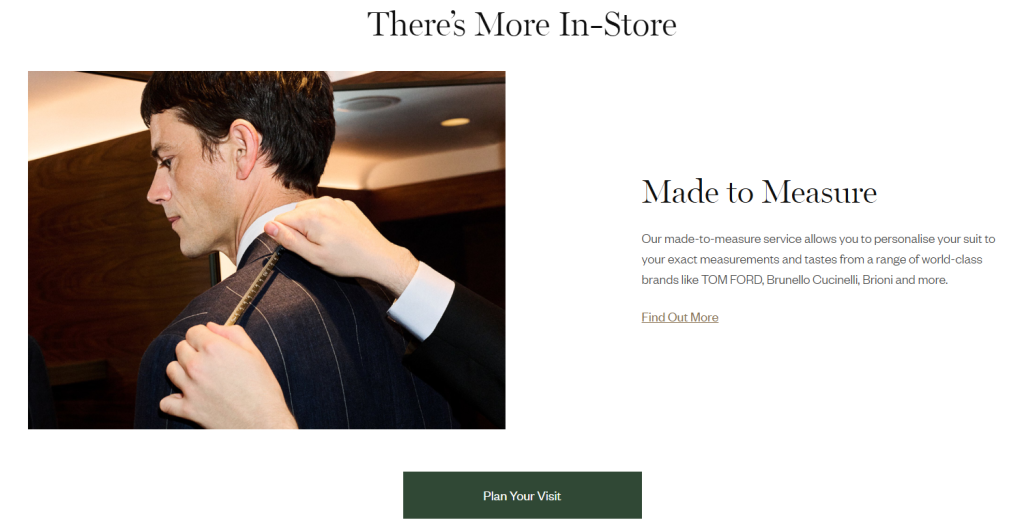
Harrods has been expanding its international customer engagement strategies to strengthen its global luxury retail reach. The brand has been enhancing its digital communication channels and customer service frameworks to better support shoppers from diverse geographic regions. This includes improved logistics coordination, international delivery infrastructure, and localized digital content experiences tailored to different markets. Harrods has also been focusing on building stronger relationships with global clientele through personalized engagement tools integrated within its online platform. These tools are designed to support tailored product recommendations and curated shopping experiences based on user behavior and preferences. The expansion of international engagement reflects the brand’s recognition of the growing importance of cross-border luxury consumption. Through these structured efforts, Harrods continues to reinforce its presence as a globally accessible luxury retailer with a strong emphasis on customer connectivity and service consistency.
Harrods Loyalty Program Enhancement Efforts
Harrods has been advancing its customer loyalty and personalization systems as part of its broader retail modernization strategy. The loyalty framework is designed to provide structured engagement opportunities for returning customers through curated benefits, exclusive access, and personalized shopping experiences. Recent enhancements focus on improving data-driven personalization capabilities, allowing the brand to better understand customer preferences across both online and offline interactions. Harrods is also integrating more refined segmentation models within its loyalty infrastructure to support targeted communication and tailored product offerings. These developments are supported by improvements in digital analytics systems that track customer engagement patterns across multiple touchpoints. The ongoing refinement of loyalty and personalization systems reflects the brand’s effort to strengthen long-term customer relationships while aligning with contemporary expectations in luxury retail engagement and service customization.