FeedsFlare
Infobus has announced an expansion of its cross-border ticketing platform with the integration of new European routes, strengthening its position within the intercity travel and transportation booking sector. The update focuses on increasing connectivity between key destinations across Eastern and Central Europe, allowing users to access a broader network of bus, train, and transfer options through a single digital interface. Infobus operates as an online aggregator that consolidates schedules and ticket availability from multiple carriers, enabling travelers to compare routes and complete bookings in one system. The newly integrated routes are designed to support growing demand for regional mobility, particularly among passengers seeking flexible and cost-efficient travel solutions. According to platform updates, the expansion includes additional departure points, enhanced scheduling frequency, and improved coordination between partner transport providers.
Infobus Introduces Expanded European Route Network
Infobus has introduced an expanded European route network, incorporating additional intercity and international connections into its booking platform. The newly added routes link major transport hubs and secondary cities, providing broader accessibility for passengers traveling across multiple countries. The platform integrates these routes into its existing search system, allowing users to filter journeys based on travel time, price, and transfer preferences. Infobus’s aggregation model enables real-time availability updates, ensuring that travelers can access current scheduling information across different carriers. The expansion also includes adjustments to route frequency, with increased departures on high-demand corridors to accommodate passenger flow. By extending its network coverage, Infobus continues to address the growing need for interconnected transportation solutions within Europe.
Infobus Enhances Digital Booking Interface for Users

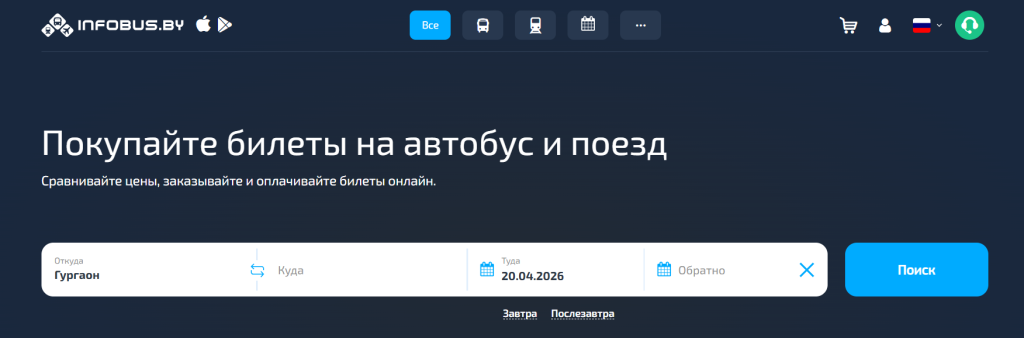
Infobus has implemented enhancements to its digital booking interface aimed at improving usability and navigation across its platform. The updated interface features a more structured search layout, enabling users to input travel details and receive organized results that include route options, pricing, and departure schedules. Improvements to filtering tools allow for more precise customization of search results, including preferences for travel duration, number of transfers, and carrier selection. Infobus has also optimized the mobile version of its platform to ensure consistent performance across devices, reflecting the increasing reliance on mobile booking in the travel sector. The checkout process has been refined to simplify ticket purchase steps, including clearer prompts for passenger information and payment confirmation. These interface updates are designed to enhance the overall user experience while maintaining the platform’s core functionality as a multi-carrier booking system.
Infobus Strengthens Partnerships with Transport Operators
Infobus continues to strengthen its partnerships with transport operators, expanding its network of carriers that provide services through the platform. The company collaborates with a range of bus companies, rail providers, and transfer services to aggregate schedules and ticket availability into a unified system. Recent updates indicate an increase in the number of partner operators contributing routes to the platform, supporting the expansion of available travel options. These partnerships are structured to ensure that route data, pricing, and seat availability are synchronized in real time, enabling accurate booking information for users. Infobus’s collaboration model allows smaller regional carriers to gain visibility within a larger marketplace, while also supporting major operators in reaching a wider audience. This approach contributes to the platform’s scalability and diversity of offerings.
Infobus Integrates Multi-Modal Transport Options

Infobus has expanded its platform capabilities by integrating multi-modal transport options, allowing users to combine different types of transportation within a single booking process. The system now supports coordinated itineraries that may include buses, trains, and transfer services, providing greater flexibility for travelers planning complex journeys. This integration enables users to compare different transport modes based on factors such as travel time, cost, and convenience. Infobus’s multi-modal approach is designed to streamline the planning process by reducing the need to use separate platforms for different segments of a trip. The platform’s algorithm organizes available options into cohesive itineraries, ensuring compatibility between connecting services. This development reflects a broader industry shift toward unified travel solutions that accommodate diverse mobility needs.
Infobus Focuses on Real-Time Data and Scheduling Accuracy
Infobus has placed increased emphasis on real-time data integration and scheduling accuracy as part of its platform development strategy. The system continuously updates route information, including departure times, delays, and seat availability, ensuring that users have access to current travel data. This capability is supported by direct data connections with partner transport operators, enabling synchronization between carrier systems and the Infobus platform. The focus on real-time updates is particularly important for cross-border travel, where scheduling changes and operational adjustments can occur frequently. Infobus’s infrastructure is designed to process these updates efficiently, minimizing discrepancies between listed and actual travel information. The platform also provides notifications and alerts to inform users of changes to their bookings.
Infobus Expands Payment and Currency Support

Infobus has expanded its payment and currency support features to accommodate a wider international user base. The platform now supports multiple payment methods, including bank cards and digital payment options, allowing users from different regions to complete transactions with greater convenience. Currency conversion functionality has also been enhanced, enabling users to view ticket prices in their preferred currency during the booking process. These updates are designed to simplify cross-border transactions and reduce barriers for international travelers. Infobus’s payment system is structured to ensure secure processing of financial information, incorporating standard encryption protocols. The expansion of payment options reflects the platform’s efforts to align with global e-commerce practices and support diverse customer needs. By improving financial accessibility, Infobus enhances its ability to serve travelers across different markets while maintaining a consistent booking experience.
Infobus Aligns Platform Growth with Regional Travel Demand
Infobus continues to align its platform growth with increasing regional travel demand, particularly within Europe’s interconnected transportation network. The expansion of routes, partnerships, and digital capabilities reflects a response to rising passenger movement across borders for tourism, business, and personal travel. Infobus’s strategy focuses on scaling its infrastructure to handle higher booking volumes while maintaining efficient service delivery. The platform’s updates are designed to support both short-distance and long-distance travel, catering to a wide range of user requirements. As travel demand evolves, Infobus adapts its offerings to ensure coverage across key corridors and emerging destinations. The company’s approach emphasizes flexibility, accessibility, and integration, which are central to modern travel booking systems.