FeedsFlare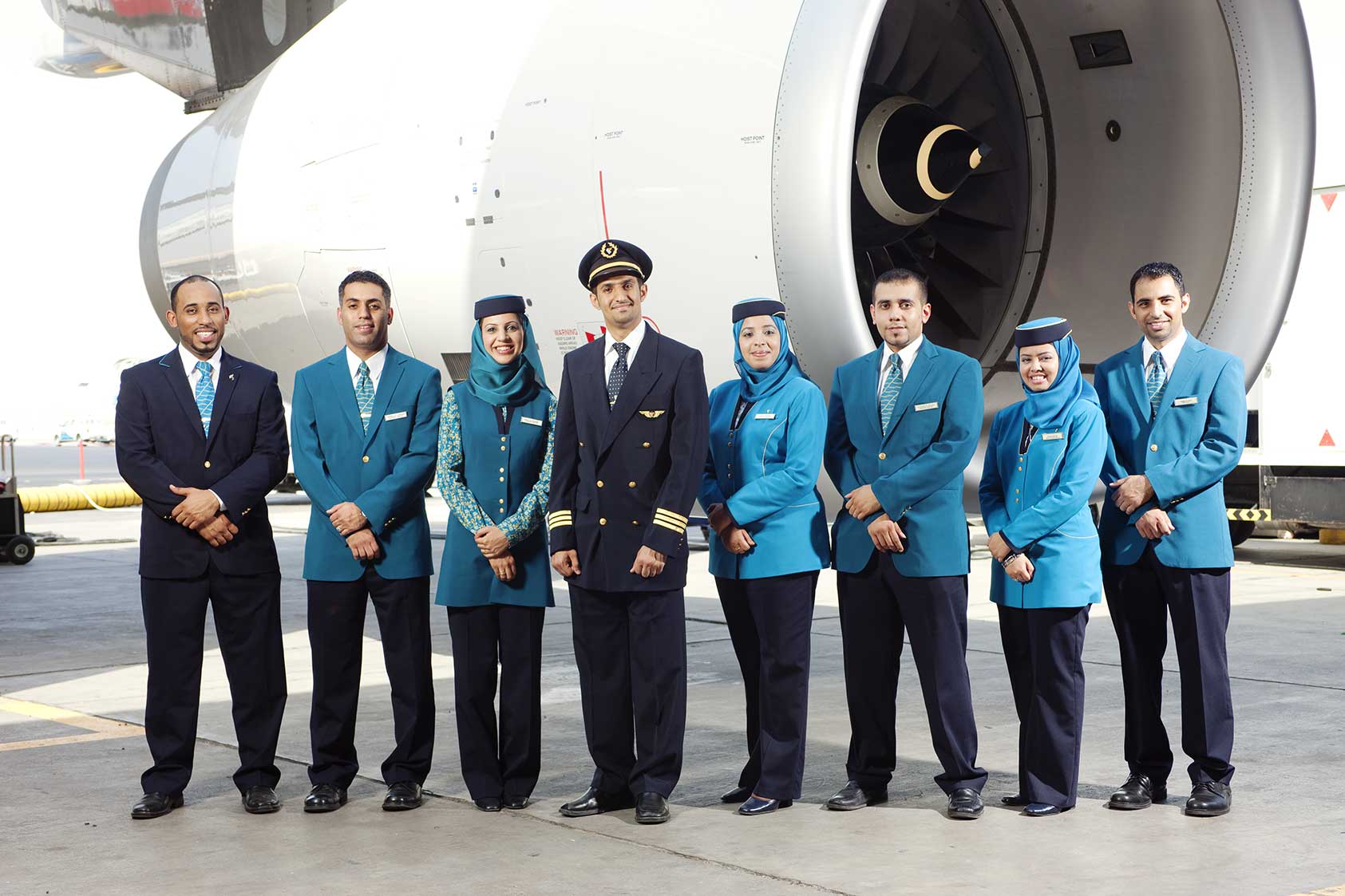
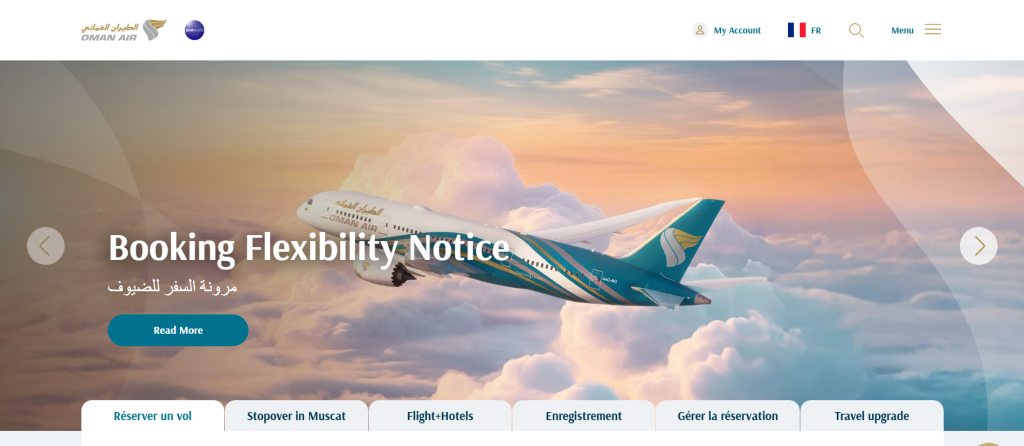
Oman Airway has announced a strategic fleet expansion initiative centered on the introduction of Boeing 737 MAX aircraft, marking a significant development in the airline’s operational roadmap. The addition of these aircraft is aimed at enhancing fuel efficiency, increasing route flexibility, and supporting medium-haul connectivity across key regional and international destinations. According to updates shared through official channels, the new aircraft will gradually be integrated into Oman Airway’s existing fleet, complementing its wide-body operations while strengthening its narrow-body segment. The Boeing 737 MAX is designed to offer improved performance metrics, including reduced emissions and optimized operating costs, aligning with broader aviation industry goals related to sustainability.
Oman Airway Strengthens Regional Connectivity with Fleet Upgrade
Oman Airway’s introduction of the Boeing 737 MAX aircraft is expected to enhance its regional connectivity by enabling the airline to operate more efficient and flexible routes. The aircraft’s range and capacity make it suitable for connecting key cities across the Middle East, South Asia, and parts of Europe, supporting Oman Airway’s network expansion plans. By deploying these aircraft on high-demand regional routes, the airline aims to increase flight frequencies and improve scheduling options for passengers. The fleet upgrade also allows Oman Airway to optimize its operational efficiency, reducing fuel consumption per seat and lowering overall costs. This development aligns with the airline’s broader objective of strengthening its position as a regional carrier while maintaining connectivity to international destinations.
Oman Airway Aligns Sustainability Goals with Modern Aircraft Integration

Oman Airway’s fleet expansion strategy reflects a growing emphasis on sustainability within the aviation sector, with the Boeing 737 MAX playing a central role in reducing environmental impact. The aircraft is equipped with advanced engines and aerodynamic improvements that contribute to lower fuel burn and reduced carbon emissions compared to previous-generation models. This aligns with Oman Airway’s commitment to adopting environmentally responsible practices as part of its long-term operational framework. The airline has indicated that integrating newer aircraft types is a key component of its sustainability roadmap, which includes efforts to minimize its carbon footprint and improve resource efficiency. By incorporating modern technology into its fleet, Oman Airway is responding to increasing regulatory and consumer expectations regarding environmental performance.
Oman Airway Expands Route Network with Increased Frequency Plans
As part of its ongoing expansion efforts, Oman Airway is planning to increase flight frequencies on several existing routes while exploring new destinations supported by its updated fleet. The introduction of the Boeing 737 MAX enables the airline to operate routes with greater efficiency, particularly in markets with fluctuating demand. This flexibility allows Oman Airway to adjust capacity based on seasonal trends and passenger volumes, ensuring optimal utilization of its aircraft. The airline’s network strategy includes strengthening connections between Muscat and key international hubs, as well as enhancing regional links within the Gulf Cooperation Council and neighboring regions. By expanding its route network and increasing frequencies, Oman Airway aims to improve accessibility and provide more travel options for passengers.
Oman Airway Enhances Passenger Experience with Cabin Upgrades

Oman Airway’s fleet modernization initiative includes updates to cabin interiors, designed to enhance the overall passenger experience. The Boeing 737 MAX aircraft are equipped with redesigned seating configurations, improved lighting systems, and updated in-flight entertainment options. These enhancements are intended to provide a more comfortable and efficient travel environment for passengers across different classes. Oman Airway has also focused on optimizing cabin space to ensure better ergonomics and increased convenience during flights. The introduction of modern aircraft interiors reflects the airline’s commitment to maintaining service standards while adapting to evolving customer expectations. In addition to physical upgrades, the airline continues to explore digital solutions that support in-flight connectivity and personalized services.
Oman Airway Advances Digital Transformation in Booking Systems
Oman Airway has continued to invest in digital transformation, particularly in its booking and customer service platforms. The airline has introduced updates to its online systems, including improved navigation, streamlined booking processes, and enhanced mobile compatibility. These changes are designed to simplify the customer journey, from searching for flights to completing transactions and managing reservations. Oman Airway’s digital strategy also includes the integration of real-time updates and notifications, allowing passengers to stay informed about flight schedules and changes. The platform improvements reflect a broader trend in the aviation industry, where digital solutions play a critical role in enhancing customer engagement and operational efficiency. By upgrading its online infrastructure, Oman Airway aims to provide a seamless and accessible experience for its users, supporting its growth in the competitive airline market.
Oman Airway Strengthens Partnerships Across Aviation Sector

Oman Airway continues to strengthen its partnerships with international airlines and aviation stakeholders as part of its expansion strategy. These collaborations include codeshare agreements and operational partnerships that enable the airline to extend its reach beyond its direct network. By working with other carriers, Oman Airway can offer passengers access to a wider range of destinations and improved connectivity options. The airline’s partnership approach also supports operational efficiency, allowing for coordinated scheduling and resource sharing. In addition to airline partnerships, Oman Airway engages with airport authorities and service providers to enhance its operational capabilities. These collaborations are integral to the airline’s efforts to maintain a competitive position in the global aviation market.
Oman Airway Positions Growth Strategy Around Market Demand Trends
Oman Airway’s recent developments indicate a growth strategy that is closely aligned with evolving market demand trends in the aviation sector. The airline’s focus on fleet modernization, route expansion, and digital transformation reflects its response to changing passenger preferences and industry dynamics. Increased demand for regional travel, combined with a gradual recovery in international travel, has influenced Oman Airway’s operational planning. The airline is adapting its capacity and service offerings to meet these trends, ensuring that it remains responsive to market conditions. By aligning its strategy with demand patterns, Oman Airway aims to achieve sustainable growth while maintaining operational efficiency. The integration of modern aircraft, enhanced digital platforms, and expanded network capabilities demonstrates how the airline is positioning itself within a competitive and rapidly evolving market environment.