FeedsFlare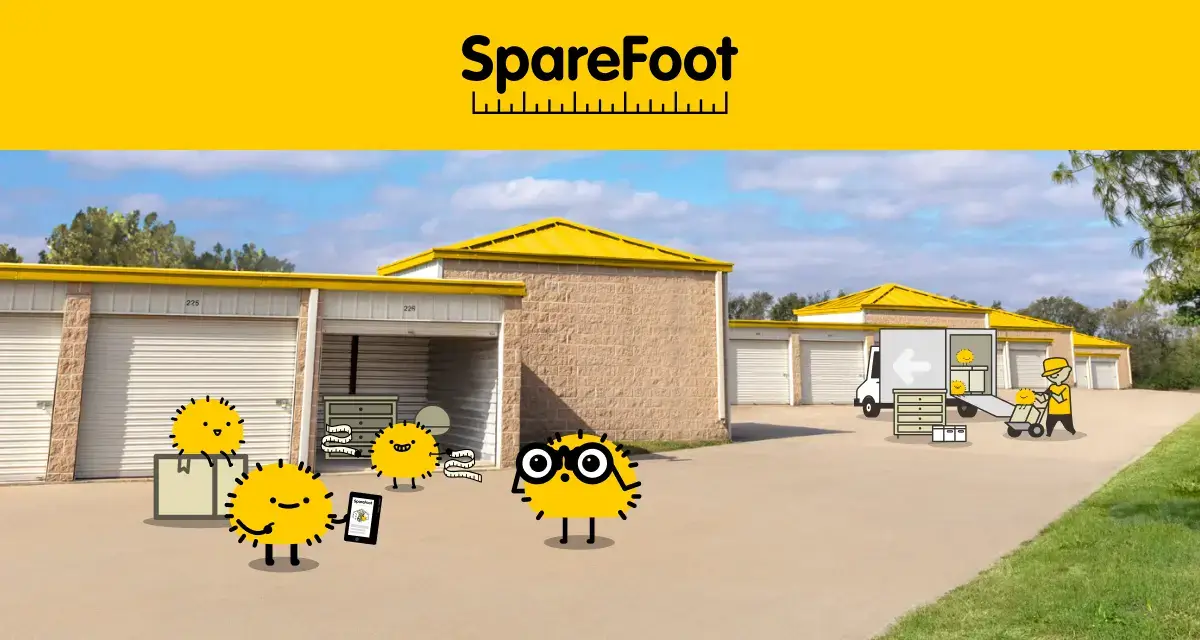
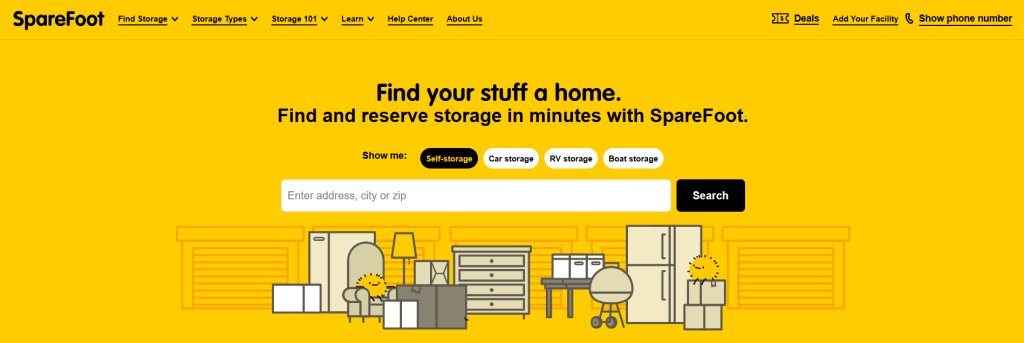
SpareFoot, the online self-storage marketplace headquartered in Austin, Texas, announced in 2025 the publication of a new research report titled “The Real Cost of Clutter,” which quantifies the financial impact that unused belongings and clutter have on American households. The study, produced in partnership with Storable, a provider of integrated technology solutions for the self-storage and related industries, examines both the real estate value forfeited to clutter and the broader implications for household storage decisions. According to findings from the survey of 1,000 U.S. adults, a significant portion of homeowners allocate up to 500 square feet of their living space to rarely used possessions, effectively sacrificing tens of thousands of dollars in potential real estate value as a result. SpareFoot’s release of this report reflects the brand’s evolving role not only as a marketplace for consumers searching for storage solutions but also as a source of industry data and thought leadership on housing and storage trends.
SpareFoot Expands Analytical Role With “Real Cost of Clutter”
SpareFoot’s 2025 “Real Cost of Clutter” report, conducted jointly with Storable, delves into the previously under-examined relationship between clutter in the home and homeowner financial decision-making. Based on survey data, the study found that 21% of American homeowners dedicate at least 500 square feet of living space to infrequently used items, a footprint equivalent to a small apartment. Using national median home prices per square foot, SpareFoot and Storable quantified the implicit real estate value that could be recouped if this space were freed, with some homeowners effectively losing over $100,000 in home value to clutter. The report also documented behavioral trends such as delayed home sales and growing expenditures on organizational products. By publishing this research, SpareFoot has positioned itself as a data-driven voice in the self-storage market, providing insights that may influence consumer considerations as well as operator strategies across the United States.
SpareFoot Connects Consumer Storage Trends to Broader Housing Behaviours
SpareFoot’s research findings emphasize how consumer storage needs intersect with broader housing trends and residential living patterns. The brand’s report identified that more than half of survey respondents reported purchasing a variety of organizational products at least once per year, while a significant proportion of households dedicated notable parts of garages or other residential areas to excess belongings. According to the study, 31% of respondents indicated their garages were at least half filled with clutter, and nearly one in six homeowners said they had postponed selling their homes due to the perceived effort required to declutter. These insights from SpareFoot suggest that storage impacts real estate decisions, residential mobility, and housing market engagement. The study’s capture of these behavioural trends supports SpareFoot’s ongoing mission to inform both consumers and industry professionals about the evolving dynamics of storage demand and its implications for residential living.
SpareFoot Marketplace Highlights Rising Demand for Self-Storage Solutions
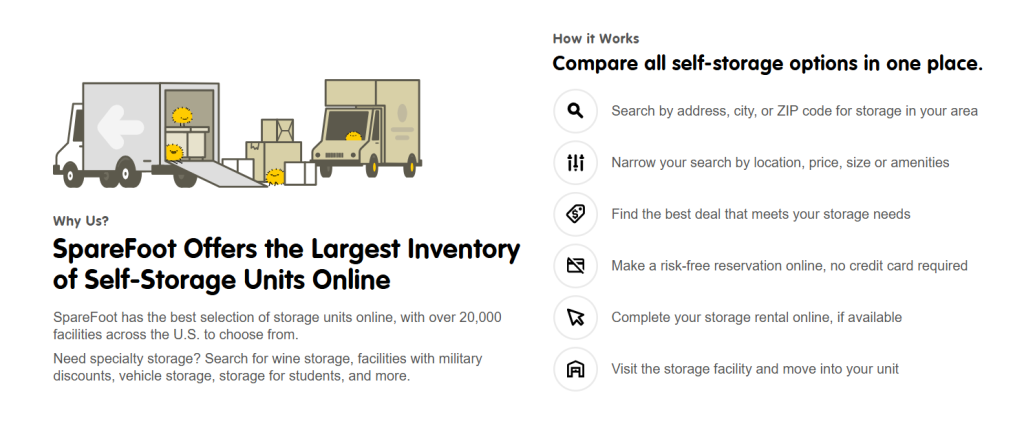
SpareFoot’s release of its “Real Cost of Clutter” report coincides with observable trends within the broader self-storage industry where demand for external storage solutions continues to be influenced by shifting residential behaviours. According to industry data compiled in SpareFoot’s blog statistics for 2025, the U.S. self-storage market comprises more than 52,000 facilities and over two billion square feet of rentable space, with more than 11% of U.S. households currently renting units. These industry metrics align with the brand’s research findings that households frequently allocate significant amounts of living space to seldom-used items. As SpareFoot serves as a marketplace connecting consumers to storage facilities, the brand’s involvement in documenting and analyzing such trends underscores its role in a rapidly evolving sector. The marketplace’s visibility into reservation and pricing data positions SpareFoot to observe firsthand how occupancy, pricing, and rental patterns shift in response to broader economic and lifestyle factors.
SpareFoot Enhances Client Tools Such as MySpareFoot
Alongside its research initiatives, SpareFoot continues to update and promote tools designed to enhance the operational effectiveness of storage facility partners. The MySpareFoot portal, a platform that allows storage operators to manage their facility listings, inventory, payments, and promotional information, exemplifies the brand’s efforts to provide value-added services beyond consumer unit search functions. Through integration with management software systems and direct control over pricing and availability, MySpareFoot facilitates more accurate and timely updates to facility listings on SpareFoot’s marketplace. This advancement reflects the brand’s recognition of the importance of seamless software interoperability in driving improved lead conversion and rental outcomes for operators. Such enhancements enable storage facilities to better leverage SpareFoot’s marketplace reach while maintaining control over key operational details, illustrating the brand’s commitment to supporting its network of partners.
SpareFoot’s Data Insights Inform Industry Conversations
SpareFoot’s release of its industry report and accompanying commentary contributes to broader conversations about self-storage occupancy and pricing trends that affect both consumers and facility operators. The brand’s 2025 industry snapshot, drawn from reservation and marketplace data, indicated average monthly storage unit costs fluctuating based on regional supply and demand factors and observed occupancy rates slightly below previous levels. By connecting these marketplace trends with findings from its consumer behaviour study, SpareFoot is providing a multifaceted perspective on how broader economic conditions, such as interest rates and consumer spending patterns, influence storage demand. These insights have potential implications for facility developers, operators, and investors seeking to understand the interplay between consumer decision-making and industry dynamics. SpareFoot’s analysis thus reinforces its position as a valuable source of market intelligence for stakeholders across the self-storage ecosystem
SpareFoot’s Research and Tool Enhancements Reflect Broader Marketplace Strategy
SpareFoot’s recent activities, including the publication of the “Real Cost of Clutter” report and the continued refinement of operational tools for facility partners, reflect a broader marketplace strategy anchored in data, technology, and industry engagement. By leveraging insights from the self-storage market and translating survey data into actionable content, the brand is expanding its influence beyond unit search and reservation facilitation. At the same time, enhancements to tools such as MySpareFoot and integrations with facility management software illustrate a commitment to improving partner experiences and elevating the efficiency of listings on its platform. These developments suggest that SpareFoot aims to balance consumer-facing innovation with operational support for storage businesses, positioning itself as a comprehensive marketplace and resource in an industry experiencing ongoing demand and transformation.
SpareFoot’s Expanded Market Role Signals Evolution in Self-Storage Sector Engagement
SpareFoot’s dual focus on publishing research that sheds light on consumer storage behaviour and enhancing technical tools for its facility partners demonstrates an evolution in how the brand engages with the self-storage sector. By grounding its insights in both survey results and marketplace data, SpareFoot is contributing to a deeper understanding of how residential space usage, consumer decision-making, and industry trends intersect. At the same time, the brand’s commitment to improving partner integrations, such as the MySpareFoot portal, aligns with the needs of an increasingly competitive digital marketplace where real-time updates and accurate information are critical. Together, these strategic initiatives indicate that SpareFoot’s role in the self-storage ecosystem is expanding from that of a transactional marketplace to one that also informs, supports, and connects consumers and operators through data, technology, and researched insights that are shaping market conversations in 2025 and beyond.