FeedsFlare
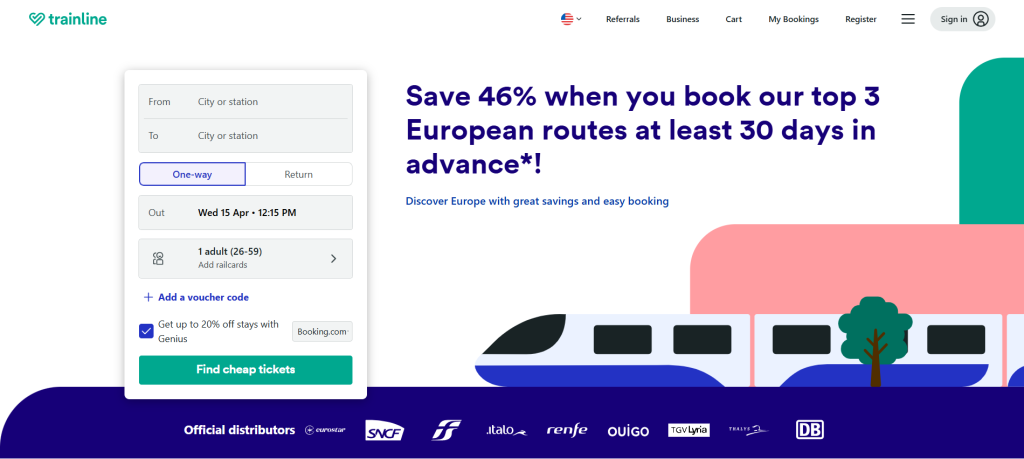
Trainline, the digital rail and coach booking platform operating across Europe and the UK, has continued to expand its digital infrastructure with a renewed focus on cross-border ticketing features and integrated travel planning services. The platform, which aggregates rail operators and ticketing systems into a single mobile and web interface, has introduced incremental updates aimed at improving accessibility for international rail journeys. These developments are aligned with growing demand for simplified multi-country travel across European rail networks, where passengers often navigate different pricing systems and operators. Trainline’s updates emphasize streamlined booking flows, real-time fare comparisons, and consolidated itinerary management within a single digital account. The platform’s role as an intermediary between national rail services and consumers continues to expand as cross-border mobility increases across the region.
Trainline Expands Cross-Border Ticketing Coverage Across Europe
Trainline has extended its cross-border ticketing coverage by integrating additional European rail routes into its booking system, allowing users to access a broader selection of international journeys through a unified platform. The expansion includes connections between major cities across countries such as France, Germany, Italy, Spain, and neighboring regions, where multi-leg travel is common. This development is supported by Trainline’s ongoing partnerships with national rail operators and regional transportation providers, enabling centralized access to previously fragmented ticketing systems. The platform aggregates schedules, pricing, and availability into a single interface, reducing the need for separate bookings across different national websites. Trainline’s system also displays alternative routes and transfer options, which assists users in planning more flexible travel itineraries.
Trainline Enhances Mobile App Navigation and Booking Flow
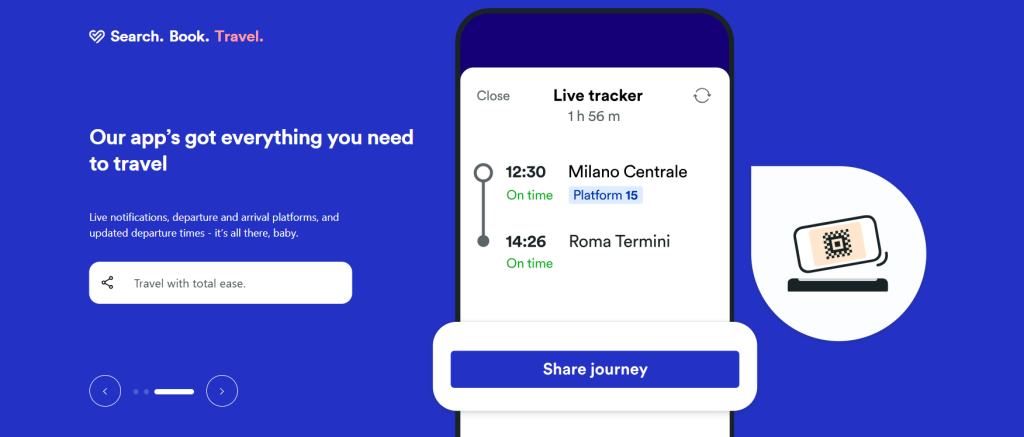
Trainline has implemented updates to its mobile application aimed at improving navigation efficiency and simplifying the booking process for users. The app interface has been adjusted to reduce the number of steps required to complete a ticket purchase, with a more streamlined layout for searching routes, comparing fares, and confirming bookings. Enhancements include clearer categorization of travel options, improved filtering tools, and faster loading times for timetable data. The mobile app continues to serve as a primary access point for users, particularly those booking last-minute or multi-leg journeys. Trainline’s digital updates also include improved ticket storage functionality, allowing users to access electronic tickets offline. The design changes are part of ongoing development efforts to optimize user interaction with the platform’s core features.
Trainline Introduces AI-Based Journey Planning Tools
Trainline has introduced artificial intelligence-based features designed to assist users in planning rail journeys more efficiently. These tools analyze travel preferences, historical booking behavior, and real-time rail data to suggest optimized routes and departure times. The system is designed to provide alternative travel options when disruptions occur, incorporating live updates from rail operators into its recommendations. The AI functionality also supports fare comparison by identifying different pricing combinations across routes and operators. Trainline’s integration of machine learning models into its platform reflects a broader trend in the digital mobility sector, where predictive systems are increasingly used to enhance travel planning. The feature is embedded within both the mobile application and desktop platform, ensuring consistent access across devices.
Trainline Strengthens Partnerships with Rail Operators

Trainline has continued to expand its partnerships with national and regional rail operators to improve ticket availability and system integration across its platform. These collaborations enable the company to access real-time scheduling data, fare updates, and reservation systems directly from operators, ensuring that users receive accurate and up-to-date travel information. The integration process involves aligning Trainline’s digital infrastructure with multiple operator databases, which vary across countries and regions. This approach allows the platform to aggregate services from both high-speed and regional rail providers within a single interface. Trainline’s partnerships also support the development of unified ticketing solutions, particularly for journeys that require transfers between different rail networks.
Trainline Focuses on Sustainable Rail Travel Insights
Trainline has expanded its emphasis on sustainability by integrating environmental impact indicators into its booking platform, allowing users to view estimated carbon emissions for different travel options. The feature provides comparative data between rail travel and alternative transport modes, highlighting the environmental advantages of rail-based journeys. This initiative aligns with broader industry efforts to promote lower-emission transportation choices across Europe. Trainline’s platform displays sustainability metrics alongside fare and duration information, enabling users to incorporate environmental considerations into their travel decisions. The company also references the role of electrified rail networks and renewable energy adoption in reducing overall transport emissions. These updates are part of a wider movement within the mobility sector to increase transparency around environmental impact.
Trainline Reports Increased Demand for Digital Rail Booking

Trainline has observed continued growth in demand for digital rail booking services, driven by increased adoption of online travel planning tools and mobile applications. The platform has recorded higher engagement across both domestic and international routes, reflecting a shift toward digital-first transportation management. This trend is particularly evident in urban and cross-border travel segments, where users rely on centralized platforms to compare schedules and fares. Trainline’s aggregated data indicates that users are increasingly booking tickets closer to departure times, highlighting the importance of real-time availability and mobile accessibility. The platform’s infrastructure is designed to handle fluctuating demand patterns by providing continuous updates on seat availability and pricing.
Trainline Develops Future Mobility Integration Strategy
Trainline is continuing to develop its long-term strategy focused on integrating multiple forms of mobility within a single digital ecosystem. This includes potential expansion into multimodal transport services, where rail travel is combined with other transportation options such as buses, metro systems, and shared mobility services. The platform’s objective is to provide users with end-to-end journey planning capabilities that extend beyond traditional rail booking. Trainline’s development roadmap includes enhancements to data integration, predictive travel analytics, and expanded partnerships with transportation providers across Europe. These efforts are designed to support a more connected mobility network, where users can plan and manage entire journeys through a single interface. The strategy reflects ongoing transformation within the transportation industry, where digital platforms are increasingly positioned as central hubs for mobility coordination and travel optimization across multiple transport modes and regions.