FeedsFlare
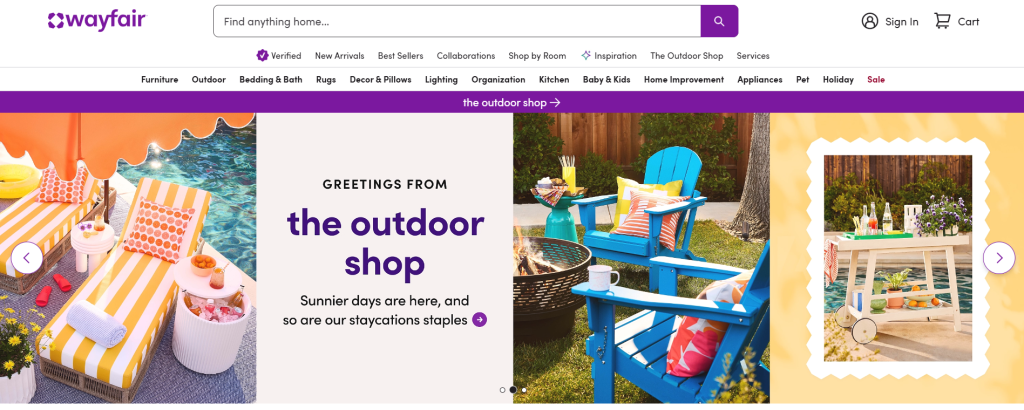
Wayfair has introduced a new initiative titled the Wayfair Verified Program, designed to establish consistent product quality standards across its extensive online marketplace. The program focuses on identifying and highlighting products that meet defined benchmarks related to durability, functionality, and customer demand. According to updates presented on the Wayfair platform, items included under this program undergo additional evaluation processes that consider construction, materials, and user engagement metrics. The launch reflects Wayfair’s broader effort to improve trust and transparency in its catalog, which includes millions of products across home furnishings and décor categories. The Wayfair Verified Program is integrated directly into the platform’s browsing experience, allowing users to filter and identify qualifying products more efficiently.
Wayfair Introduces Wayfair Verified Tag Across Product Listings
Wayfair has implemented the Wayfair Verified tag across selected product listings to help users identify items that meet the company’s newly defined quality criteria. The tag is displayed within product pages and category results, providing visual differentiation within the platform’s large inventory. Wayfair’s system for assigning this label incorporates multiple evaluation factors, including product construction standards, consistency in manufacturing, and aggregated customer interaction data. The integration of the Wayfair Verified tag aims to simplify decision-making for users navigating extensive product categories such as furniture, lighting, and home accessories. By embedding the tag within its interface, Wayfair enhances product discoverability while aligning its catalog with structured quality benchmarks.
Wayfair Expands Catalog Optimization Through Wayfair Verified Program

Wayfair’s introduction of the Wayfair Verified Program also signals a broader effort to optimize its product catalog through structured classification and quality segmentation. The platform hosts a wide array of suppliers and brands, making catalog management a central component of its operational model. Through the program, Wayfair aims to streamline product categorization by grouping items that meet defined quality benchmarks, thereby improving catalog organization. This structured approach enables more efficient inventory presentation and helps align product visibility with performance indicators. Wayfair’s catalog optimization strategy includes the use of data analytics to track customer engagement and identify products that consistently meet user expectations. By incorporating these insights into the Wayfair Verified Program, the company enhances its ability to manage a large-scale digital inventory while maintaining consistency in product presentation.
Wayfair Enhances User Experience with Quality-Focused Navigation Tools
Wayfair has integrated new navigation tools that align with the Wayfair Verified Program, enabling users to filter search results based on quality-focused criteria. These tools are embedded within the platform’s existing search and category systems, allowing for more precise product discovery. Users can apply filters that highlight Wayfair Verified items, narrowing down options within categories that often include thousands of listings. This development reflects Wayfair’s emphasis on improving user experience through targeted enhancements in its digital interface. The navigation tools are designed to reduce complexity and improve efficiency in the shopping process, particularly for customers seeking reliable product options. Wayfair’s approach to interface design increasingly incorporates data-driven features that respond to user behavior and preferences.
Wayfair Strengthens Supplier Standards Through Wayfair Verified Criteria
Wayfair’s implementation of the Wayfair Verified Program includes updated criteria for suppliers, reflecting a structured approach to maintaining product standards across its marketplace. Suppliers whose products qualify for the program are required to meet specific benchmarks related to material quality, manufacturing consistency, and product reliability. These criteria are designed to ensure that items labeled under the Wayfair Verified Program align with the company’s defined expectations for performance and durability. Wayfair’s supplier network is extensive, encompassing a wide range of manufacturers and distributors, making standardized evaluation processes essential for maintaining consistency. The introduction of these criteria also supports improved communication between Wayfair and its suppliers, providing clear guidelines for product development and listing requirements.
Wayfair Integrates Data Analytics into Wayfair Verified Selection Process
Wayfair utilizes data analytics as a central component of the Wayfair Verified selection process, incorporating metrics related to customer interaction, product performance, and return rates. These data points are analyzed to identify products that consistently meet user expectations, forming the basis for inclusion in the program. Wayfair’s data-driven approach allows for continuous monitoring and adjustment of product classifications, ensuring that the Wayfair Verified designation remains aligned with current performance indicators. The integration of analytics into this process reflects the company’s broader reliance on technology to manage its digital marketplace. Wayfair’s use of real-time data supports dynamic decision-making, enabling the platform to adapt to changes in consumer behavior and product demand.
Wayfair Aligns Wayfair Verified Program with E-Commerce Transparency Trends

Wayfair’s introduction of the Wayfair Verified Program aligns with broader industry trends emphasizing transparency and accountability in e-commerce. Online retail platforms increasingly focus on providing clear information about product quality and performance to support informed purchasing decisions. The Wayfair Verified Program contributes to this trend by offering a structured system for identifying products that meet defined standards. Wayfair’s approach reflects a shift toward greater visibility in product evaluation processes, where customers are provided with additional context beyond basic descriptions and images. The integration of verification labels within the platform’s interface supports this objective, enabling users to make more informed comparisons across products. This alignment with transparency trends positions Wayfair within a competitive landscape where trust and clarity are key factors influencing customer engagement and retention in digital commerce environments.
Wayfair Continues Marketplace Development with Wayfair Verified Expansion
Wayfair’s rollout of the Wayfair Verified Program represents a step in its ongoing marketplace development strategy, which focuses on enhancing both product quality and user experience. The company continues to invest in digital infrastructure, supplier management, and catalog optimization to support the growth of its platform. The Wayfair Verified Program is expected to expand over time, incorporating additional product categories and refining its evaluation criteria based on performance data. Wayfair’s marketplace model relies on balancing a wide selection of products with consistent standards, making initiatives like this central to its operational approach. The expansion of the program reflects the company’s efforts to adapt to changing market conditions and consumer expectations.